
Understanding BCAS’s Forecast
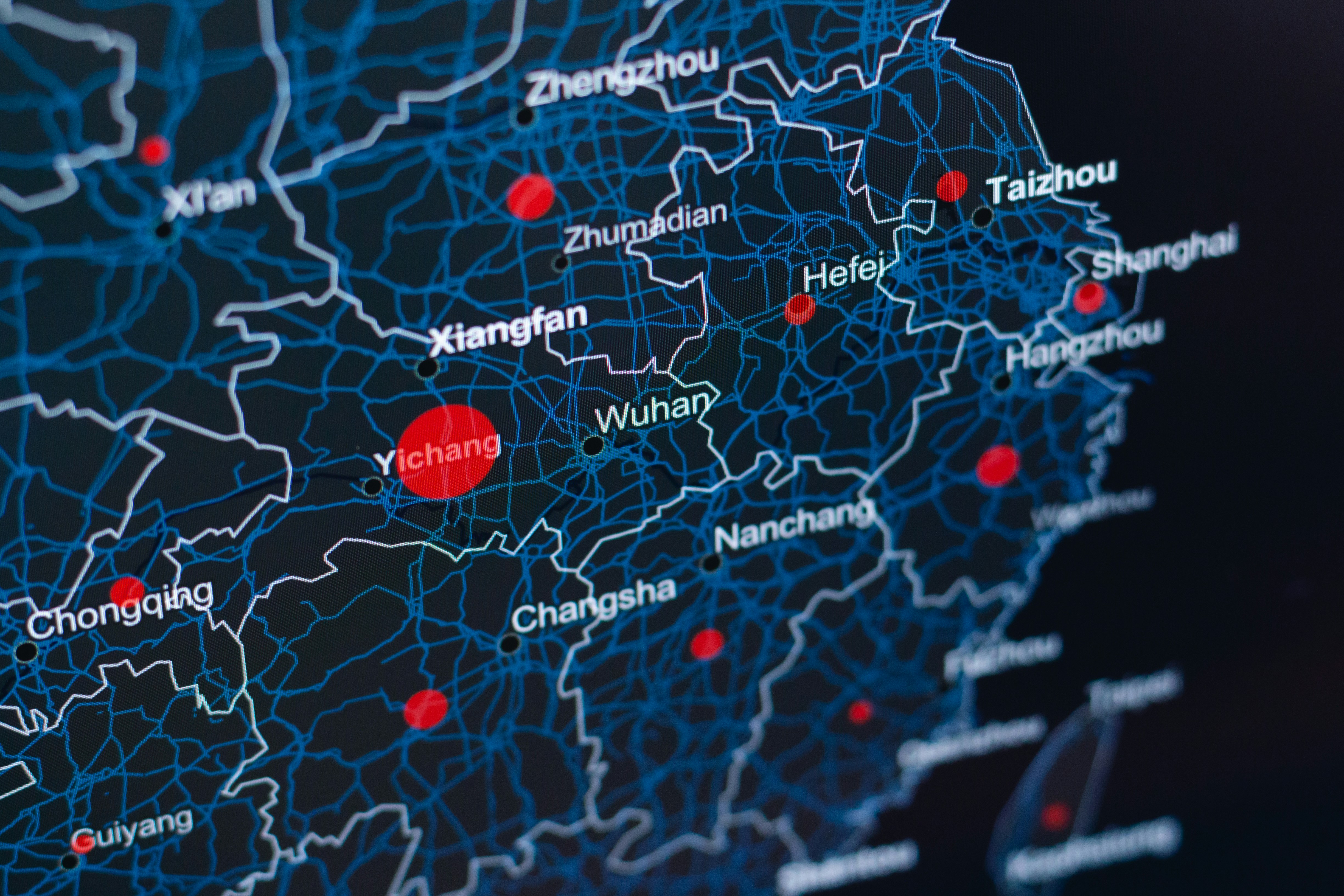
The Beijing Center for Asian Studies (BCAS) has developed a predictive model regarding the likelihood of military escalation between China and Taiwan, estimating a 35% chance within the upcoming year. This forecast is underpinned by a comprehensive methodology that incorporates various data points and analytical frameworks. One critical aspect of BCAS’s approach is its assessment of geopolitical tensions that have persisted in the region. Factors such as territorial disputes in the South China Sea, Taiwan’s political stance, and China’s response strategies form the crux of the data evaluated.
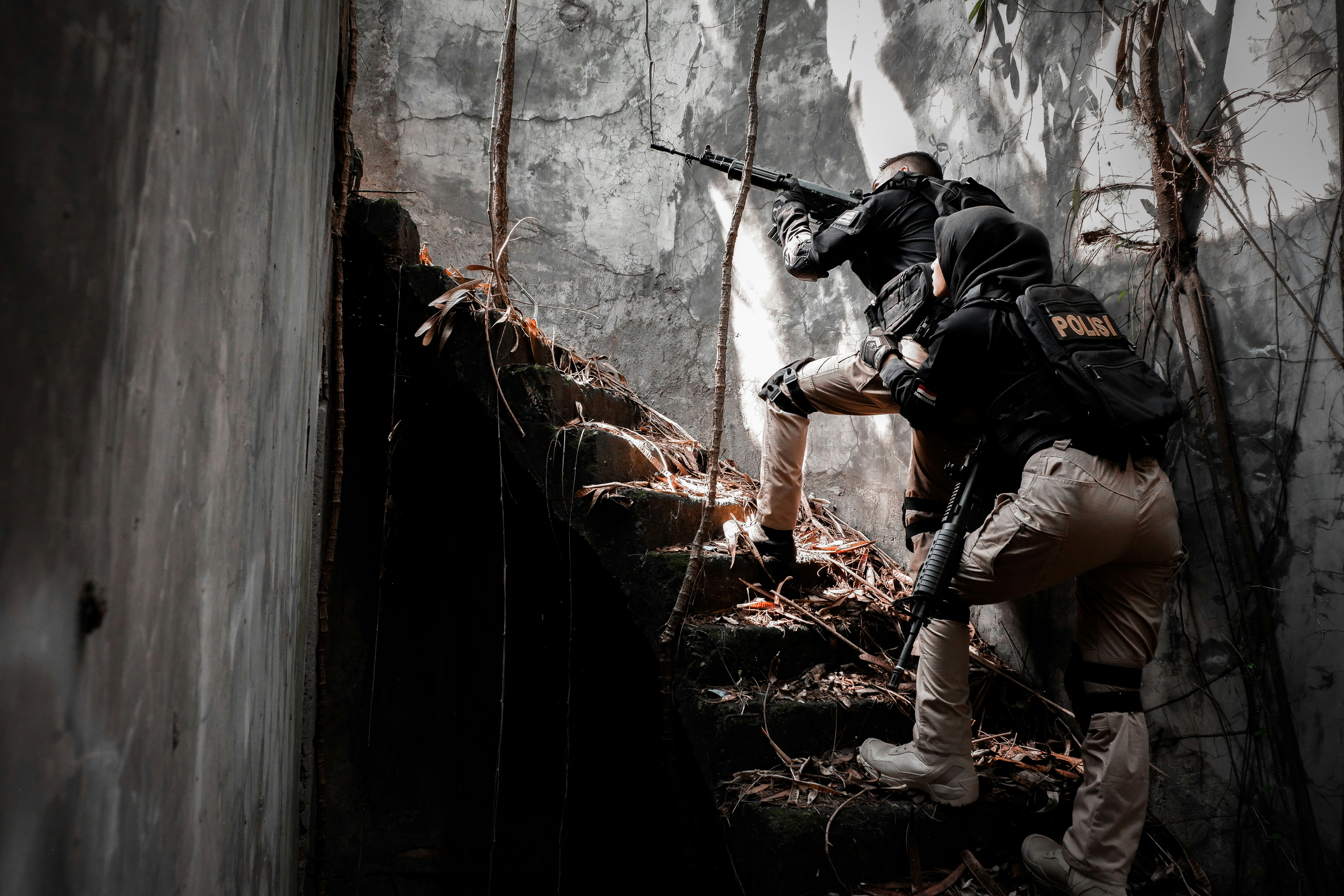
Additionally, BCAS examines military movements and deployments that signal potential escalation. These include not only the presence of troops and naval vessels near Taiwan but also broader military exercises hinting at preparation for possible conflict. Such military posturing is indicative of heightened tensions and is a significant factor in BCAS’s forecasting model. Furthermore, the analysis includes shifts in political leadership on both sides, recognizing that changes in governance can dramatically influence the diplomatic landscape. A new administration may adopt more aggressive or conciliatory positions that could alter the risk assessment considerably.
Historically, BCAS considers previous incidents of military confrontation and diplomatic negotiations between China and Taiwan, allowing for a contextual understanding of current events. By placing recent developments within a historical framework, BCAS seeks to derive patterns that may predict future actions and reactions. This multifaceted analytical approach not only bolsters the credibility of their predictions but also allows policymakers to anticipate possible scenarios. The eventual goal is to provide a clearer picture of regional stability and security, ultimately aiding those who are tasked with navigating the complex relationship between these two nations.
Historical Context of China-Taiwan Relations
The relationship between China and Taiwan is steeped in a complex history that has been marked by conflict, ideological differences, and significant political developments. The roots of current tensions can be traced back to the Chinese Civil War (1927-1949), which culminated in a split between the Communist Party of China (CPC) and the Nationalist Party (Kuomintang, KMT). The civil war ended with the victory of the CPC led by Mao Zedong, prompting the KMT, led by Chiang Kai-shek, to retreat to Taiwan. This political realignment effectively established the People’s Republic of China (PRC) on the mainland and the Republic of China (ROC) in Taiwan.
During the early years of their separation, the two entities operated under different political systems, with the PRC adopting a socialist model while the ROC maintained a nationalist framework. The PRC’s stance has always been clear: Taiwan is regarded as part of its territory, a perspective rooted in the historical narrative of reclaiming what it perceives as lost land. Meanwhile, Taiwan underwent significant political evolution, especially in the late 20th century, transforming from an authoritarian regime into a vibrant democracy. This transition not only altered Taiwan’s internal politics, but also influenced its identity, leading to varying views on independence.
Significant military confrontations in the Taiwan Strait, particularly during the 1950s, have further escalated tensions. The First and Second Taiwan Straits Crises, driven by military advisors from the U.S. supporting Taiwan, saw both sides posturing militarily and engaging in aggressive maneuvers. These events have left an indelible mark on the cross-strait relationship and contribute to the prevailing militaristic rhetoric today. The historical animosities, marked by civil conflict and territorial disputes, continue to shape the geopolitical landscape and inform contemporary fears regarding potential military escalation.
Potential Implications of Escalation
The potential military escalation between China and Taiwan poses significant implications, affecting not only the immediate region but also the global landscape. Should conflict arise, the risks extend beyond the two nations, potentially destabilizing the entire Asia-Pacific region. Neighboring countries may find themselves forced to respond, either through diplomatic channels or military alliances, thereby escalating tensions further and complicating international relations.
International responses could manifest in various forms, ranging from economic sanctions and diplomatic condemnations to military support for Taiwan. The involvement of other nations, particularly those with vested interests in the region such as the United States, may lead to a complex web of interventions. For instance, the U.S. has a history of military support for Taiwan, and a conflict could trigger a broader military engagement, changing the status quo in Asia.
Furthermore, the consequences would likely reverberate through global markets and supply chains. Taiwan is a crucial player in the semiconductor industry, and any disruption could lead to significant delays in technology manufacturing and deliveries worldwide. This could result in heightened costs, increased inflation, and a potential economic downturn for several nations reliant on these supply chains.
From a scenario planning perspective, the outcomes of such an escalation could range significantly. In a best-case scenario, diplomatic negotiations might de-escalate tensions swiftly, allowing a return to status quo. Conversely, in a worst-case situation, full-scale conflict could lead to catastrophic humanitarian consequences and draw in global powers, culminating in a protracted conflict that disrupts not only regional but global economic stability.
Mitigation Strategies and Diplomatic Solutions
In light of the increasing tensions between China and Taiwan, strategic mitigation measures and robust diplomatic efforts are crucial in preventing military escalation. Ongoing diplomatic channels serve as foundational tools for fostering dialogue and understanding among the involved parties. Nations such as the United States have primarily engaged in diplomatic outreach while emphasizing the significance of peaceful dialogue to de-escalate hostilities. This approach looks not only to stabilize the current situation but also to cultivate long-term cooperation between nations.
The influence of international organizations cannot be understated in promoting peace and stability in the region. Initiatives led by the United Nations (UN) and other multilateral forums have sought to address the underlying issues that contribute to conflict. Engaging in dialogue within these frameworks often provides a platform for disagreements to be heard while promoting collective security. The presence of ASEAN nations alongside China and Taiwan could help mediate discussions, fostering a culture of cooperation and preventing the miscalculation that could lead to tension.
Furthermore, implementing confidence-building measures can play a vital role in bridging the divides. These measures may include military transparency, joint humanitarian efforts, and trade agreements aimed at enhancing interdependence. Regional actors, including the United States, have a unique role to uphold such frameworks while ensuring that their partnerships with Taiwan remain balanced and constructive.
Ultimately, collaboration among nations, emphasizing dialogue and understanding, is essential for conflict resolution. By promoting consistent engagement and encouraging participation in international peace efforts, the chances of resolving disputes amicably increase. The pursuit of comprehensive, diplomatic strategies is not just vital for maintaining regional stability; it is an imperative for safeguarding global peace.