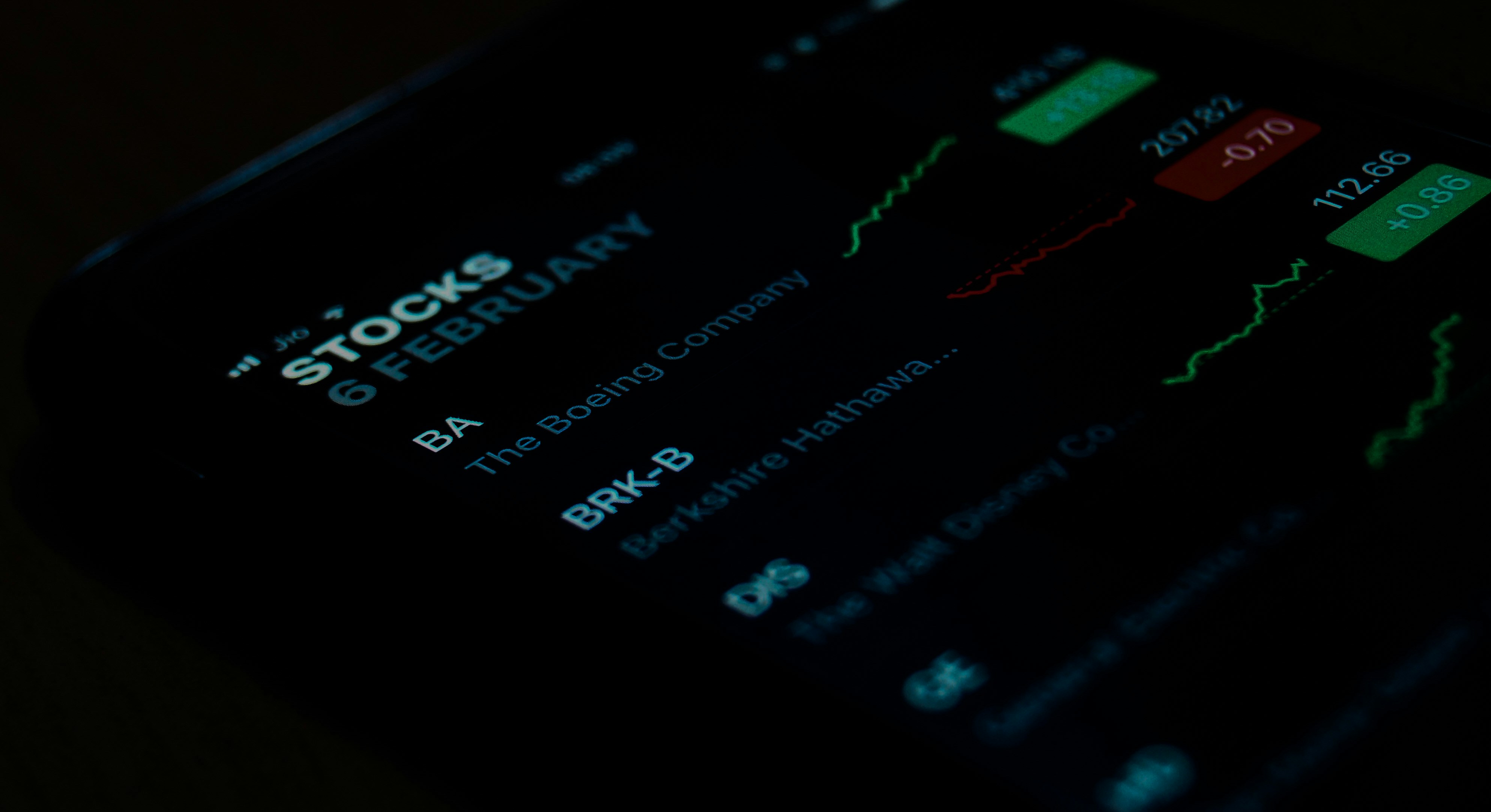
Current Trends in Today’s Stock Market

To navigate the stock market effectively, it’s essential to understand the trends that drive it. Trends can be influenced by macroeconomic factors such as interest rates, inflation, and employment levels. They can also be shaped by industry-specific developments and company performance. Let’s delve into some of the key trends currently shaping the stock market landscape.
The Role of Macroeconomic Indicators
Macroeconomic indicators are vital in understanding market trends. Interest rates, for example, influence borrowing costs and consumer spending, directly affecting corporate earnings and stock performance. Inflation rates, on the other hand, can erode purchasing power and impact profit margins, making them a critical area of focus for investors.
Industry-Specific Developments
Industry-specific developments can also drive stock market trends. Technological breakthroughs, regulatory changes, and shifts in consumer behavior can significantly impact specific sectors. Investors need to pay attention to these developments to identify which industries are poised for growth or decline.
Company Performance and Market Sentiment
A company’s financial performance and market sentiment towards it can influence its stock price and, by extension, market trends. Quarterly earnings reports, management changes, and strategic decisions are all factors that investors must analyze to gauge potential stock movements.
Technological Advancements and the Stock Market
The technology sector has been a significant driver of stock market growth in recent years. Companies in this sector are at the forefront of innovation, offering products and services that are reshaping how we live and work. From artificial intelligence to cloud computing, technological advancements continue to present lucrative opportunities for investors.
The Surge in Artificial Intelligence
Artificial intelligence (AI) is no longer just a futuristic concept; it is a reality that is transforming industries. Companies investing in AI are seeing substantial returns as they leverage this technology to improve efficiency and create new products. Investors are keenly watching AI-related stocks, anticipating continued growth in this area.
AI’s impact spans across sectors, from manufacturing automation to personalized marketing strategies in retail. In healthcare, AI is revolutionizing diagnostics and treatment plans, while in finance, it’s enhancing risk assessment and fraud detection. This broad applicability makes AI a central focus for future investment strategies.
Cloud Computing as a Business Backbone
Cloud computing has become a cornerstone of modern business operations. Companies that provide cloud services are experiencing increased demand as businesses shift from traditional IT infrastructure to cloud-based solutions. This trend is reflected in the stock market, with cloud service providers showing strong performance.
The flexibility and scalability offered by cloud solutions are driving this shift. Businesses can now operate with greater agility, deploying resources where needed without the constraints of physical infrastructure. Moreover, as data security and privacy become paramount, cloud providers investing in robust cybersecurity measures are positioned for growth.
The Influence of Big Data and Analytics
Big Data and analytics are reshaping business strategies across the globe. The ability to analyze vast amounts of data quickly allows companies to make informed decisions, optimize operations, and understand consumer behavior better. This trend is creating investment opportunities in firms specializing in data analytics software and services.
Investors are also watching companies that integrate analytics into their core business models. Retailers using data to tailor marketing campaigns or manufacturers optimizing supply chains with predictive analytics are examples of how Big Data is becoming an indispensable tool, driving both operational efficiency and stock valuations.
Economic Factors Influencing the Stock Market

Economic indicators play a vital role in shaping stock market trends. Changes in interest rates, inflation, and employment levels can have significant impacts on market behavior. Understanding these factors can help investors make strategic decisions.
Interest Rates and Stock Market Reactions
Interest rates set by central banks can influence stock market trends. When interest rates are low, borrowing costs decrease, encouraging investment and spending. This can lead to stock market gains as companies expand and grow. Conversely, rising interest rates can increase borrowing costs, potentially slowing down economic growth and affecting stock market performance.
The relationship between interest rates and stock prices is complex. While low rates often boost market activity, they can also lead to asset bubbles if left unchecked. Conversely, high-interest rates might signal efforts to curb inflation, leading to market corrections. Investors must assess central bank policies and economic outlooks to anticipate market reactions.
Inflation Concerns and Investment Strategies
Inflation is another critical factor that can influence the stock market. When inflation rises, purchasing power decreases, which can impact consumer spending and corporate profits. Investors often monitor inflation trends closely, as they can affect asset prices and investment returns.
During inflationary periods, certain sectors, like commodities and real estate, might perform better as they typically retain value. Conversely, high inflation can erode fixed income returns, prompting a shift towards equities or inflation-linked securities. Crafting a balanced portfolio that hedges against inflation is a key strategy for long-term investors.
Employment Levels and Market Sentiment
Employment levels provide insights into economic health and consumer confidence. High employment typically signals a robust economy, boosting consumer spending and corporate earnings, which can drive stock market growth. Conversely, rising unemployment can indicate economic distress, potentially leading to market downturns.
Investors should watch employment reports for shifts in job creation, wage growth, and labor market participation. These metrics help predict consumer spending trends and economic stability, offering clues about potential market movements. Understanding employment’s impact on market sentiment is essential for effective investment strategies.
Geopolitical Events and Market Volatility
Geopolitical events can introduce volatility into the stock market. Political unrest, trade tensions, and conflicts can create uncertainty, leading to fluctuations in stock prices. Investors must stay informed about global events to anticipate potential market impacts.
Trade Relations and Their Impact on Stocks
Trade relations between countries can significantly affect the stock market. Trade agreements or disputes can influence the flow of goods and services, impacting companies’ bottom lines. Investors often react to news about trade negotiations or tariffs, leading to market volatility.
Increased tariffs can raise costs for companies reliant on imports, affecting their profitability and stock performance. Conversely, favorable trade deals can open new markets and boost export-driven sectors. Investors should keep abreast of trade policy changes and understand their potential impacts on global supply chains and corporate earnings.
Political Unrest and Market Reactions
Political instability in key regions can lead to uncertainty in the markets. For example, changes in government policies, elections, or conflicts can cause investors to reassess their positions, leading to fluctuations in stock prices. Staying informed about global political developments is essential for investors.
Elections can bring policy shifts that affect sectors like healthcare, energy, and finance, influencing stock valuations. Conflicts or sanctions can disrupt market stability, impacting investor confidence. Understanding these dynamics allows investors to anticipate risks and adjust their portfolios accordingly, safeguarding against geopolitical volatility.
Currency Fluctuations and International Trade
Currency fluctuations can also impact the stock market, particularly for multinational corporations. Changes in exchange rates can affect the competitiveness of exports and the value of overseas earnings. Investors need to consider currency risks when investing in companies with significant international exposure.
A strong domestic currency can make exports more expensive, potentially reducing foreign sales. Conversely, a weaker currency might boost export competitiveness but increase costs for imported goods. Investors should evaluate currency trends and their implications on trade balances and corporate profits to make informed investment decisions.
Sector-Specific Trends

by Markus Spiske (https://unsplash.com/@markusspiske)
Beyond broad economic and geopolitical factors, sector-specific trends also play a crucial role in shaping stock market performance. Here are a few sectors currently experiencing significant trends:
Renewable Energy Revolution
The shift towards sustainable energy sources is gaining momentum, driven by environmental concerns and government policies. Companies in the renewable energy sector are attracting investor interest as they work towards reducing carbon emissions and promoting clean energy solutions.
Government incentives and advancements in technology are making renewable energy more competitive with traditional sources. Solar and wind energy companies are expanding rapidly, creating opportunities for investors seeking exposure to sustainable growth. Understanding policy changes and technological advancements is key to capitalizing on the renewable energy boom.
Healthcare Innovations and Investment Opportunities
The healthcare sector continues to evolve with advancements in medical technology and pharmaceuticals. Innovations such as telemedicine and personalized medicine are transforming healthcare delivery, presenting new investment opportunities in this sector.
Biotechnology firms developing breakthrough therapies and companies offering digital health solutions are at the forefront of this transformation. Investors should focus on firms with strong R&D pipelines and partnerships that enhance their market position. As healthcare needs grow, the sector offers significant potential for long-term investment returns.
The E-commerce Expansion
The rise of e-commerce has revolutionized the retail industry. Consumer goods companies are adapting to changing consumer preferences and online shopping trends. Investors are closely monitoring e-commerce platforms and digital marketing strategies to identify growth potential.
The convenience of online shopping and advancements in logistics are driving this sector’s expansion. Companies investing in user-friendly platforms and robust supply chains are well-positioned for growth. Understanding consumer behavior and technological trends in e-commerce can help investors identify promising opportunities in this rapidly evolving market.
Strategies for Navigating Stock Market Trends
Understanding trends is just the first step; investors must also develop strategies to navigate the stock market effectively. Here are some approaches to consider:
Diversification as a Risk Management Tool
Diversification is a fundamental strategy for managing risk in the stock market. By spreading investments across different sectors and asset classes, investors can reduce their exposure to volatility in any single area. Diversification helps protect portfolios from adverse market movements.
Investors should aim for a mix of stocks, bonds, and alternative investments to balance risk and reward. Sector diversification ensures that downturns in one industry don’t overly impact the entire portfolio. Regularly reviewing and adjusting asset allocations in response to market changes is crucial for maintaining an effective diversification strategy.
Staying Informed and Responsive
Keeping abreast of financial news and market developments is crucial for investors. Reliable sources of information provide insights into market trends, helping investors make informed decisions. Subscribing to financial news outlets and following expert analysis can be beneficial.
Investors should leverage technology, using apps and platforms that offer real-time data and analysis. Engaging with investment communities and attending industry conferences can also provide valuable insights. Staying informed allows investors to respond swiftly to market changes, capitalizing on opportunities and mitigating risks.
The Importance of a Long-term Perspective
Investing with a long-term perspective can help weather short-term market fluctuations. While market trends may change rapidly, a long-term approach allows investors to benefit from compounding returns and ride out periods of volatility.
Long-term investors focus on fundamental analysis, seeking companies with strong growth potential and sustainable competitive advantages. By prioritizing long-term goals over short-term market noise, investors can build wealth steadily and avoid impulsive decisions driven by market volatility.
Conclusion
The stock market is influenced by a complex interplay of factors, from technological advancements and economic indicators to geopolitical events and sector-specific trends. Understanding these trends is essential for investors seeking to make informed decisions. By staying informed, diversifying investments, and adopting a long-term perspective, investors can navigate the stock market with confidence and capitalize on emerging opportunities.