Overview of Hoffman’s Position at Century Aluminum
As the Senior Vice President (SVP) and Chief Administrative Officer (CAO) at Century Aluminum, Hoffman plays a pivotal role in shaping the operational framework and strategic direction of the company. His responsibilities extend across various functional areas, including human resources, compliance, and corporate governance. In this key executive position, Hoffman is instrumental in aligning the company’s objectives with the overarching goals of the aluminum industry, ensuring that Century Aluminum maintains its competitive edge in a challenging market.
Hoffman’s influence within the organization is profound, as he not only oversees administrative functions but also contributes to critical decision-making processes. His leadership is often reflected in the effective management of resources and the promotion of a corporate culture that emphasizes safety, sustainability, and innovation. This is particularly significant in the aluminum sector, which is increasingly focusing on environmental sustainability due to rising global concerns over climate change and resource management.
During his tenure at Century Aluminum, Hoffman has been involved in several transformative initiatives that aim to enhance operational efficiency and improve workforce morale. His vision encompasses not only the immediate goals of the company but also the long-term sustainability of the aluminum production process. These contributions underscore Hoffman’s role not merely as an administrator but as a vital architect of the company’s strategic vision.
In the broader context of the aluminum industry, Hoffman’s expertise and leadership are essential as companies strive to innovate and adapt to market demands. His presence at Century Aluminum exemplifies the blend of operational proficiency and strategic foresight needed to navigate the complexities inherent in this sector. As the discussion unfolds, it is crucial to acknowledge Hoffman’s contributions, especially concerning recent developments such as the stock sale, which may signal changes in company dynamics.
Details of the Stock Sale
Recently, notable executive Hoffman executed a substantial stock sale at Century Aluminum, raising questions about the implications behind this decision. The sale involved a total of 100,000 shares, which were sold at a price of $18 per share. This transaction culminated in a total value of $1.8 million, marking a significant divestment within the company. The timing of this stock sale appears to be strategic, occurring just before the quarterly earnings report, which may signal potential volatility or anticipated shifts in the company’s performance.
To further understand the context, it is beneficial to compare the sale price to the current market performance of Century Aluminum’s stock. At the time of the sale, the stock was trading near its peak within the last year, suggesting that Hoffman may have capitalized on an advantageous market position. However, as market conditions can fluctuate swiftly, it’s important to monitor how the stock reacts in the aftermath of this substantial sale.
One of the prominent considerations regarding Hoffman’s decision is whether this stock sale represents a routine matter for diversification of personal assets or reflects deeper concerns regarding the company’s future. Executives often engage in stock sales for various reasons; thus, it is crucial to analyze patterns over time. In this case, the motivations behind the sale warrant close scrutiny, as they may reveal insights into management’s perspective on the company’s trajectory. Overall, understanding these dynamics is essential for stakeholders who are closely watching Century Aluminum’s performance in the coming months.
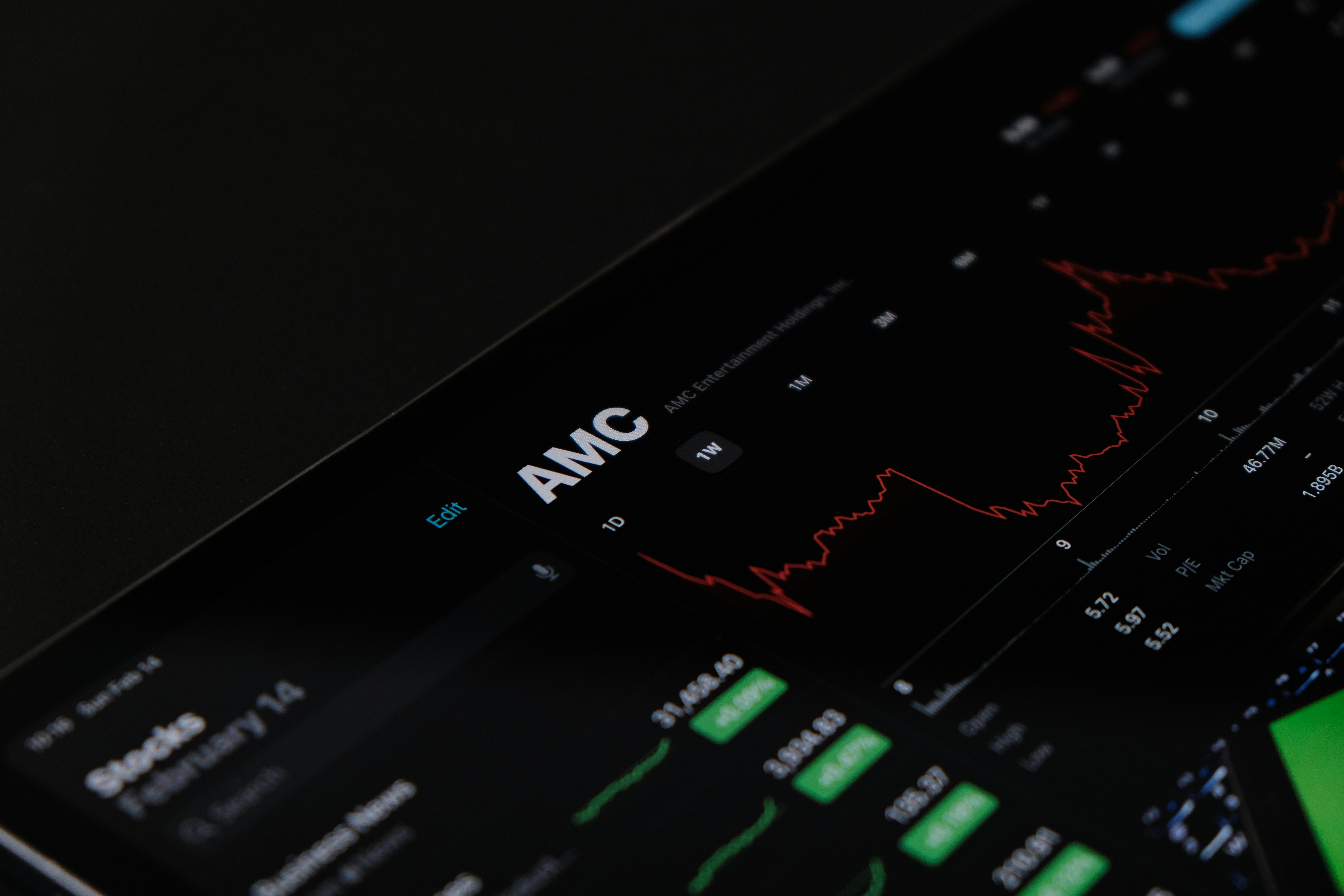
The recent stock sale by Hoffman at Century Aluminum has sparked a notable reaction in the market, raising questions among shareholders and potential investors regarding the implications of such insider transactions. In general, when executives sell significant portions of their shares, it often leads to increased scrutiny and speculation concerning the company’s future performance. This can create an atmosphere of uncertainty, causing some shareholders to question the strength of the company’s fundamentals and leading to concerns about potential declines in stock value.
Historically, insider trading events have yielded mixed reactions. In many instances, these stock sales may lead to negative sentiment among investors, as they might perceive them as a sign that executives lack confidence in the company’s outlook. For example, notable cases in various sectors demonstrated that when high-ranking officials sold off shares, it often correlated with subsequent declines in stock prices. However, the context of each transaction is crucial; executives may sell shares for personal reasons unrelated to company performance, such as tax obligations or diversification of personal investments.
Financial analysts and industry experts have weighed in on the implications of Hoffman’s stock sale. Some analysts argue that such transactions should be interpreted cautiously, emphasizing the need to consider additional factors such as overall market sentiment, company fundamentals, and upcoming financial results. Others maintain that while insider stock sales can trigger concern, they do not necessarily indicate an impending downfall. It is important for stakeholders to analyze such actions within a broader context, including Century Aluminum’s performance metrics and industry trends.
In summary, the market’s reaction to Hoffman’s stock sale is unfolding, with various interpretations emerging from different analysts and investors alike. Stakeholders must remain observant as further developments could provide clarity on the potential ramifications for Century Aluminum moving forward.
Future Outlook for Century Aluminum
The recent stock sale by president and chief executive officer (CEO) Michael Hoffman at Century Aluminum raises several questions about the future direction of the company and its positioning within the aluminum industry. As the global market for aluminum continues to evolve, Century Aluminum must navigate various industry trends and external factors that could significantly impact its performance.
In light of Hoffman’s stock sale, it is crucial to consider potential strategic shifts that may occur within the company. Leadership changes or shifts in corporate governance often signal a reassessment of operational strategies and priorities. This could lead to renewed focus on sustainability and innovation, particularly as aluminum production faces increasing scrutiny regarding environmental impact. The move towards greener technologies may be both a challenge and an opportunity for Century Aluminum, as the industry trends increasingly reflect a push for lower carbon emissions.
Moreover, market trends affecting aluminum prices will play a key role in defining Century Aluminum’s outlook. Factors such as demand fluctuations in the automotive and construction sectors, geopolitical events, and tariffs on aluminum imports could either bolster or hinder company growth. Enhanced global production capabilities from rivals, particularly in regions like Asia, may further exacerbate competitive pressures on Century Aluminum.
Ultimately, executive actions like that of Hoffman’s stock sale could prompt greater scrutiny and accountability within the leadership team, influencing corporate governance practices going forward. Investors and stakeholders may seek increased transparency and alignment with shareholder interests, which could shape the dynamics of decision-making within the company. In conclusion, while the outlook for Century Aluminum will be influenced by internal and external factors, adaptability and strategic foresight will be crucial for navigating the complexities of the aluminum industry.