
Understanding Payrolls: Key Indicators of Economic Health
Payroll data plays a crucial role in evaluating the overall health of the US economy. The primary focus within this data set is the non-farm payroll (NFP) figures, which represent the total number of paid workers in the US, excluding farm workers, government employees, and a few other job classifications. These figures are reported monthly by the Bureau of Labor Statistics (BLS) and are regarded as a leading economic indicator that reflects job growth or decline within various sectors.
The calculation of payroll figures is based on surveys conducted among employers, which ultimately reveal employment trends across diverse industries. This data is paramount not just for understanding employment levels, but it also provides insights into wage growth, labor market conditions, and consumer spending patterns. When payrolls increase significantly, it typically suggests a robust economic environment, which often leads to greater consumer confidence and spending. Conversely, stagnant or declining payroll figures may signal economic challenges, potentially leading to reduced consumer spending.
Markets react decisively to payroll announcements, often gauging future economic prospects based on employment data. Positive surprises in NFP numbers may prompt market optimism, while disappointing figures can lead to declines in stock prices and increased volatility. Given the importance of employment data, the Federal Reserve closely monitors these indicators when making decisions related to monetary policy. Changes in payroll figures can influence interest rates, as the Fed may opt to raise rates in response to strong job growth, which can help control inflation, or lower rates during periods of job losses to stimulate economic activity.
In the intricate relationship between employment metrics and economic health, payroll figures undoubtedly serve as a fundamental element for policymakers, investors, and economists alike, shaping their perspectives on the US economic landscape.
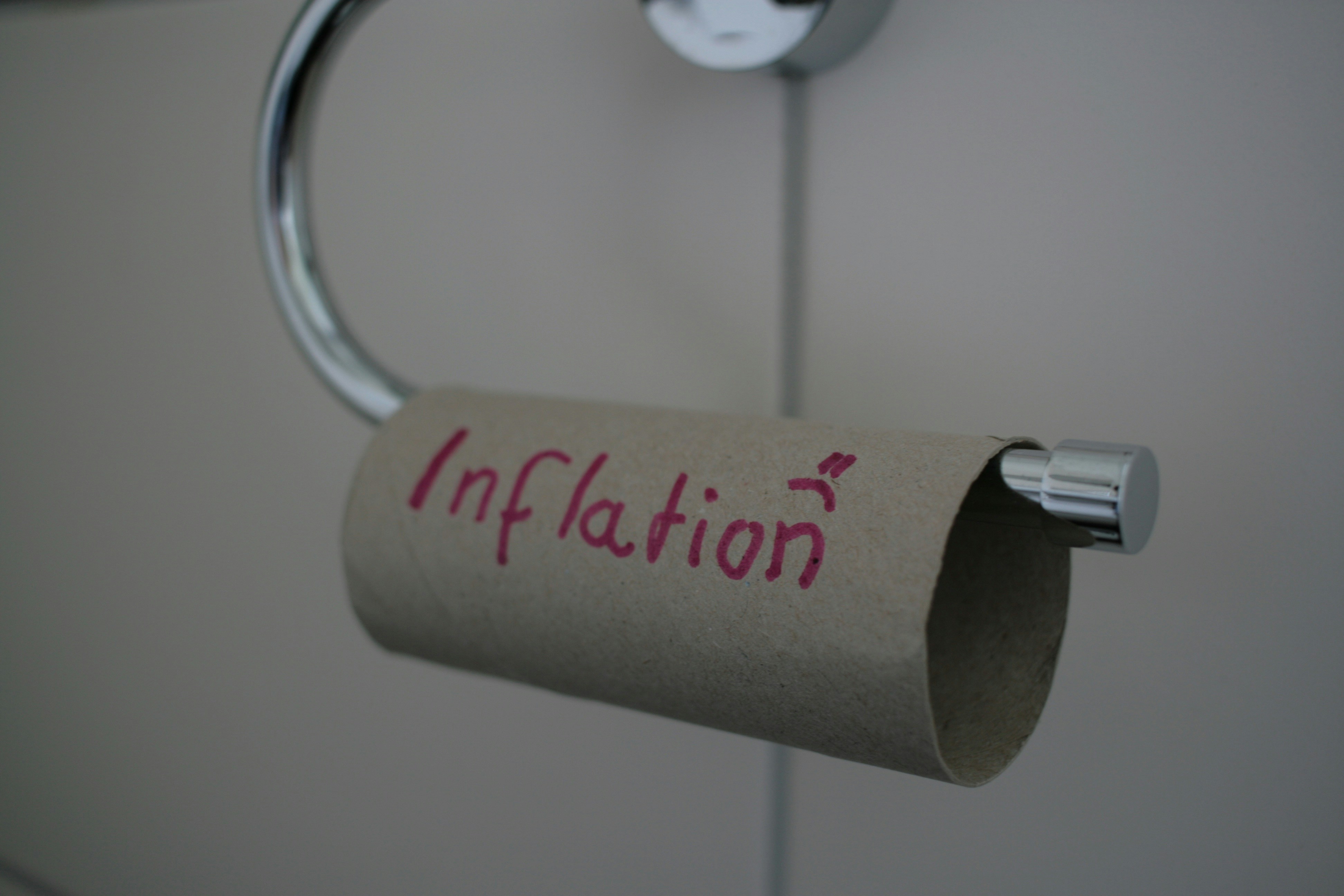
Inflation Trends: Current Status and Future Projections
Inflation remains a pressing concern for the United States economy, with recent data reflecting a complex landscape. The Consumer Price Index (CPI), a primary measure of inflation, has indicated modest increases in the cost of living over recent months. According to the Bureau of Labor Statistics, the year-over-year CPI rose by 3.7% in September 2023, showing a slight uptick from earlier in the year. Meanwhile, the Producer Price Index (PPI), which measures the average changes in selling prices received by domestic producers, has mirrored this trend, registering a rise of 2.5% during the same period. These figures illustrate the persistent pressures faced by consumers and businesses alike.
The impact of inflation on purchasing power cannot be understated. As prices rise, the real value of money diminishes, leading to higher costs for goods and services that ultimately affect consumer spending and saving behavior. This erosion of purchasing power poses challenges for economic growth, as individuals may cut back on discretionary spending, leading to potential slowdowns in various sectors. Furthermore, sustained inflation can prompt responses from the Federal Reserve, including adjustments to interest rates, which can ripple through financial markets and influence investment decisions.
Looking ahead, projections for inflation suggest a potential stabilization in the coming months. Many economists anticipate that inflationary pressures will gradually ease as supply chain issues resolve and labor markets stabilize. The consensus among analysts suggests that inflation may hover around the Federal Reserve’s target of 2%, although uncertainties remain due to geopolitical tensions and global economic conditions. Modeling future inflation trends also entails examining various indicators, including energy prices and wage growth, both of which play critical roles in shaping inflationary expectations. Continuous monitoring of these factors will be essential for market participants aiming to navigate the evolving economic landscape.
The Interplay Between Payrolls and Inflation Data
The dynamics between payroll figures and inflation data play a pivotal role in shaping market sentiment and investor decisions. Payroll data, primarily derived from employment statistics, illustrates the state of the labor market, while inflation metrics provide insight into the purchasing power of consumers. Together, these indicators help form assessments regarding economic health, which is crucial for investors and policymakers alike.
A notable relationship exists between payroll growth and wage inflation, where an increase in employment often leads to rising wages. This increase in compensation can spur wage inflation, which subsequently influences consumer spending. When consumers have more disposable income, their spending tends to rise, fueling demand for goods and services. Consequently, higher consumer demand can lead to increased prices, thus contributing to broader inflationary pressures within the economy.
This interconnectedness makes the interpretation of both payroll and inflation figures critical for gauging market trends. Economists and investors closely monitor these indicators to forecast market movements. For instance, stronger-than-expected payroll growth can enhance expectations for economic stability, suggesting that companies may continue to expand their workforce, thereby supporting wage growth. Conversely, if inflation rates outpace wage increases, it may signal potential challenges for the economy, particularly in terms of consumer purchasing power.
Furthermore, central banks also consider this interplay when formulating monetary policy. If inflation rises amidst robust payroll growth, policymakers may opt to tighten monetary policy to combat rising prices. Such actions can directly influence interest rates, subsequently affecting borrowing costs for consumers and businesses. Analyzing this complex relationship between payrolls and inflation is essential, as it not only influences immediate market reactions but also shapes longer-term economic forecasts and investment strategies.
Market Reactions: What to Expect After the Reports Are Released
The release of payroll and inflation reports is often a pivotal moment for the US markets, as these indicators significantly influence investor sentiment and trading behaviors. Historically, the markets have exhibited varied reactions depending on the nature of the data. When payroll figures demonstrate robust job growth, investors typically respond positively, as this suggests a strengthening economy. A strong labor market often leads to increased consumer spending, which can drive corporate profits and, consequently, stock prices upward. In such scenarios, sectors like consumer discretionary and financials usually perform well, reflecting a general optimism among market participants.
Conversely, inflation reports, especially when they indicate rising prices, can induce a more cautious approach from investors. Higher inflation can lead to increased interest rates, as central banks may respond by tightening monetary policy to curb price growth. This potential for higher rates can negatively impact equities, particularly growth stocks, as their future earnings become less attractive when discounted at higher interest rates. Typically, in a rising inflation environment, investors might shift their focus to sectors that are perceived as more resilient, such as utilities or consumer staples, which tend to offer stable earnings regardless of economic fluctuations.
In preparation for these critical reports, investors may consider adopting strategies such as diversifying their portfolios to mitigate potential risks associated with market volatility. Utilizing options strategies, such as protective puts or covered calls, can serve as a hedge against adverse market movements following these announcements. Furthermore, staying informed about analysts’ expectations and commentary can provide crucial insights into likely market trends. By understanding historical reactions to similar data releases, investors can better navigate the complexities of the market while positioning themselves advantageously for the future.


