
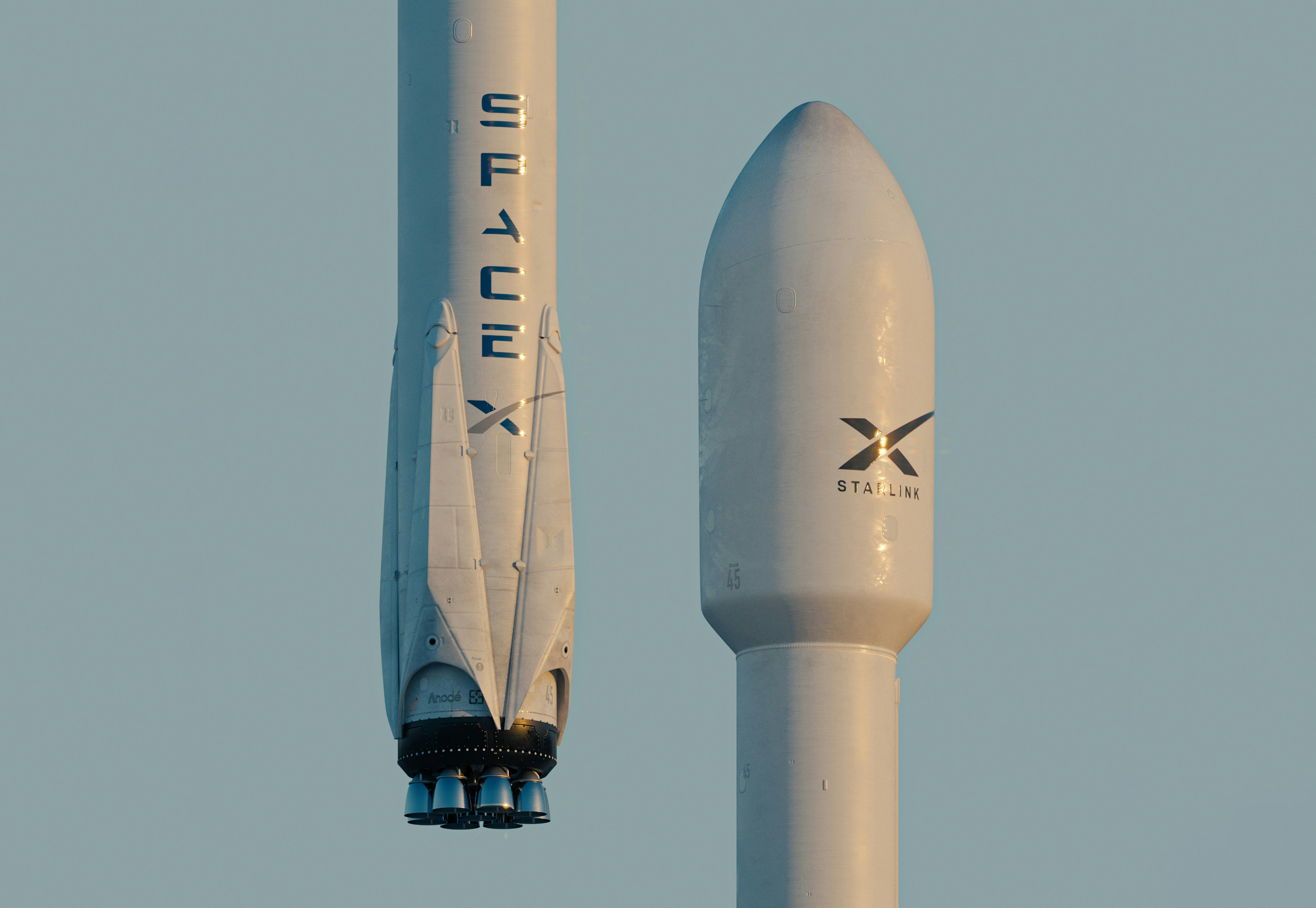
Introduction to SpaceX and Google’s Partnership
The partnership between SpaceX and Google marks a significant milestone in the technology and aerospace sectors, highlighting the fusion of innovative space technology and advanced data management solutions. The origins of this alliance can be traced back to 2015 when Google acquired a substantial stake in SpaceX, investing approximately $1 billion to enhance their mutual goals in data handling and satellite communications. This investment not only showcases Google’s intent to enter the burgeoning domain of space exploration but also illustrates SpaceX’s ambition to integrate cutting-edge technology into its missions.
SpaceX, founded by Elon Musk with the vision of reducing space transportation costs and enabling the colonization of Mars, has constantly pushed the boundaries of aerospace engineering. The company’s remarkable advancements, like the development of the Falcon 9 and Starship rockets, along with the successful deployment of the Starlink satellite constellation, have drawn global attention. Starlink aims to provide high-speed internet access across the globe, especially in underserved areas, aligning with Google’s mission to ensure internet accessibility.
On the other hand, Google’s expertise in data management and artificial intelligence complements SpaceX’s ambitious projects. The integration of Google’s machine learning technologies into SpaceX’s operations has the potential to enhance satellite data processing, navigation systems, and real-time decision-making during missions. The collaboration enables both companies to exploit their respective strengths, ultimately leading to innovative solutions that could reshape various industries, including telecommunications and space exploration.
Understanding the significance of this partnership requires an appreciation of how it not only facilitates groundbreaking technology advancements but also sets the stage for future endeavors in both the aerospace and tech industries. The mutual benefits derived from their collaboration illustrate an emerging trend where traditional boundaries between sectors become increasingly blurred.
Financial Implications for Google
The partnership between Google and SpaceX has yielded significant financial benefits for Google, positioning it as a key player in the aerospace industry. Google’s initial investment in SpaceX, which is reported to be around $1 billion, has laid the foundation for a collaboration that promises lucrative returns. As SpaceX continues developing technologies for satellite deployment and internet connectivity, Google stands to gain access to emerging revenue streams that could enhance its overall fiscal health.
One of the most promising avenues for financial growth is through the integration of satellite internet with Google’s existing services. The deployment of Starlink satellites by SpaceX aims to provide global high-speed internet coverage, particularly in underserved regions. This expansion aligns with Google’s mission to make information universally accessible. As more users gain access to internet services through Starlink, Google can capitalize on increased advertising revenue and potential subscriptions to its various platforms, thereby amplifying its profit margins.
Beyond direct revenue generation, the partnership also fosters technological advancements that resonate with Google’s broader business model. By investing in SpaceX, Google is making strategic moves to enhance its cloud computing capabilities and expand its data center networks. With reliable high-speed internet connectivity via satellite, Google can improve its service offerings across the globe, enriching customer experiences and driving further investments.
Furthermore, projections suggest that as space commerce expands, the collaboration with SpaceX could open avenues for new business ventures, such as satellite-based applications for both enterprise and consumer markets. These implications highlight how engagement in aerospace technology not only diversifies Google’s portfolio but may also reduce risks associated with traditional revenue sources. As such, the financial partnership with SpaceX is a cornerstone of Google’s strategy to ensure sustained growth and profitability in an increasingly interconnected world.
Strategic Advantages Gained
The collaboration between Google and SpaceX has ushered in a multitude of strategic advantages that significantly enhance Google’s operational framework. By integrating satellite internet services, Google stands to improve accessibility and connectivity for its users worldwide. This partnership allows Google to leverage SpaceX’s advanced satellite technology, establishing a robust global internet infrastructure capable of reaching underserved and remote regions. As a result, Google can provide enhanced services and maintain its commitment to connectivity, aligning with its mission to organize the world’s information and ensure universal access.
Furthermore, this collaboration positions Google favorably against its competitors in the tech industry. By adopting satellite internet services, Google can offer a unique selling proposition that differentiates it from rivals, particularly in sectors where traditional broadband is limited. This strategic advantage not only enhances user experience but also creates barriers for competitors, making it increasingly difficult for them to replicate such services without the substantial investment that a partnership with a space technology firm entails.
Additionally, the partnership with SpaceX opens new markets for growth within the tech industry. With the advent of satellite internet, Google can expand its reach in developing countries and rural areas, where conventional internet service providers are often unable or unwilling to establish infrastructure. This presents immense opportunities for Google to grow its user base while simultaneously bolstering its advertising revenue. The collaboration extends beyond mere connectivity; it symbolizes a forward-thinking approach to business that acknowledges the essential role of space technology in future ventures.
In conclusion, the strategic advantages gained through this partnership not only enhance Google’s operational capabilities but also strengthen its competitive edge, creating fertile ground for future growth opportunities in an increasingly connected world.
Looking Ahead: Future Opportunities and Challenges
The strategic partnership between SpaceX and Google represents a significant milestone in the evolving landscape of space technology and information access. Looking forward, there are several promising opportunities that could emerge from this collaboration. One key area is the development of advanced satellite communication technologies. By leveraging SpaceX’s Starlink satellite constellation, Google can enhance its cloud services, ensuring better connectivity and reduced latency for consumers and businesses alike. This can open new markets and foster innovations in areas such as IoT (Internet of Things) and AI (Artificial Intelligence), where reliable real-time data transmission is essential.
Moreover, the partnership may catalyze advancements in data analytics and machine learning, creating opportunities for new products and services that capitalize on the vast amounts of data collected through space-based sensors. As industries continue to rely on big data, the combined expertise of Google in data management and SpaceX’s technological prowess could lead to innovative solutions tailored to various sectors, including agriculture, healthcare, and disaster management. These developments could play a crucial role in addressing global challenges such as climate change or enhancing disaster response strategies.
However, alongside these opportunities are formidable challenges that the partnership must address. Regulatory hurdles represent a significant concern, particularly as governments worldwide grapple with the implications of satellite technology on privacy, security, and airspace management. Compliance with evolving regulations will require careful navigation to maintain a competitive edge. Additionally, the competitive landscape is also intensifying, with numerous startups and established players aiming to carve out a share of the space market. SpaceX and Google will need to continuously innovate to stay ahead of potential disruptors, ensuring that their partnership not only endures but flourishes in the face of emerging challenges.


