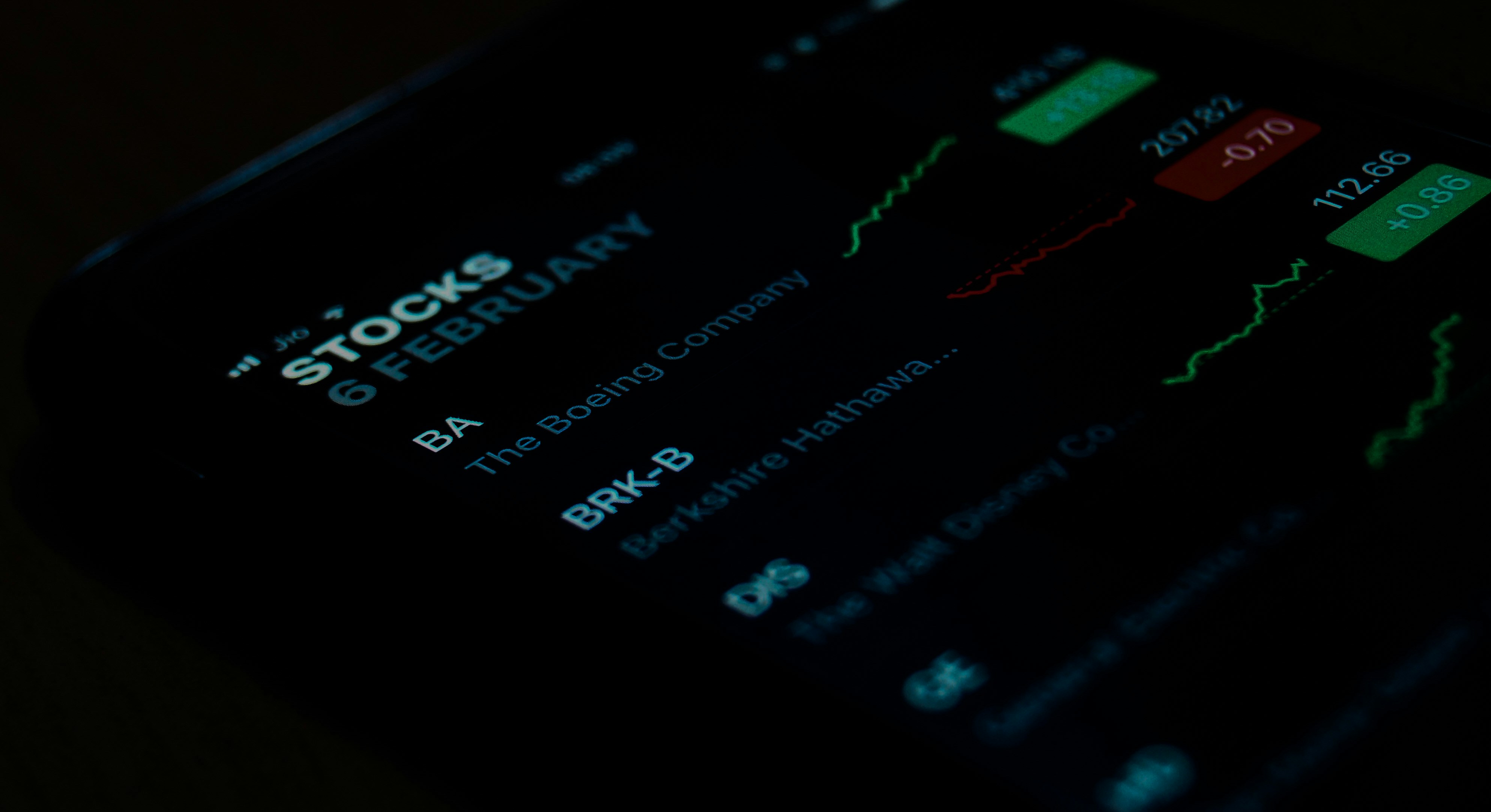
stock market today

Every day, the stock market presents a dynamic and ever-changing landscape that reflects the economic and financial health of the world. Understanding the stock market today is crucial for investors, financial professionals, and anyone interested in the economy. Let’s delve into the latest financial news and explore what the stock market has in store for us today.
Understanding the Stock Market
Before we dive into today’s specifics, it’s essential to understand what the stock market is. The stock market is a collection of exchanges where stocks, bonds, and other securities are bought and sold. It serves as a platform for companies to raise capital and for investors to gain ownership in companies. The performance of the stock market is often seen as an indicator of the overall economic health.
The Role of Exchanges
Exchanges such as the New York Stock Exchange (NYSE) and the Nasdaq play a crucial role in the stock market’s functioning. These platforms facilitate the buying and selling of stocks, ensuring transparency and efficiency in transactions. They provide a regulated environment where buyers and sellers can interact, maintaining the integrity of the market. The exchanges also serve as a barometer of economic activity, reflecting investor sentiment and market trends.
Supply and Demand Dynamics
The stock market operates on the fundamental principles of supply and demand. Stock prices fluctuate based on the number of shares available and the level of interest from buyers. When demand for a particular stock is high, prices rise, reflecting investor confidence in the company’s future performance. Conversely, when supply exceeds demand, prices tend to fall. Understanding these dynamics is key to navigating the complexities of the stock market.
Investor Expectations
Investors buy shares based on their expectations of a company’s future performance. These expectations are influenced by various factors, including economic forecasts, industry trends, and company-specific news. Positive developments, such as new product launches or strategic partnerships, can drive investor optimism, leading to increased stock prices. On the other hand, negative news, such as declining profits or regulatory challenges, may result in decreased investor confidence and falling stock prices.
Key Indices to Watch

When discussing the stock market today, it’s essential to focus on key indices that provide a snapshot of market performance. The three most widely followed indices are:
Dow Jones Industrial Average (DJIA)
The Dow Jones Industrial Average (DJIA) consists of 30 large, publicly-owned companies in the United States. It is often seen as a barometer of the American economy, reflecting the performance of major industries. The DJIA is weighted by price, meaning that higher-priced stocks have a greater impact on the index’s movements. Investors closely monitor the DJIA for insights into market trends and economic conditions.
S&P 500
Comprising 500 of the largest companies listed on stock exchanges in the U.S., the S&P 500 is a broader measure of the market. Unlike the DJIA, the S&P 500 is weighted by market capitalization, providing a more comprehensive view of the market’s overall health. This index is often used as a benchmark for investment performance, with many mutual funds and ETFs tracking its movements. Fluctuations in the S&P 500 can signal shifts in investor sentiment and economic outlook.
Nasdaq Composite
The Nasdaq Composite includes over 3,000 stocks, heavily weighted towards technology and internet-based companies. As a result, it is often seen as a reflection of the technology sector’s performance. The index’s movements can indicate trends in innovation and technological advancements. Given its composition, the Nasdaq Composite is particularly sensitive to changes in the tech industry, making it a key focus for investors interested in technology stocks.
Today’s Market Movers
The stock market today is influenced by a variety of factors, including economic data releases, corporate earnings, and geopolitical events. Let’s take a look at some of the key drivers impacting the market today.
Economic Data Releases
Economic indicators, such as employment figures, inflation rates, and consumer spending, can significantly impact the stock market. For instance, a positive employment report may boost investor confidence, leading to an increase in stock prices. Conversely, higher-than-expected inflation might cause concern about interest rate hikes, potentially leading to a market downturn. Investors closely analyze these data releases to gauge the economy’s health and adjust their investment strategies accordingly.
Corporate Earnings Reports
Corporate earnings reports are another critical factor influencing the stock market. Companies release their quarterly earnings, providing insights into their financial health. Strong earnings can lead to a surge in a company’s stock price, while disappointing results might cause a decline. Investors often scrutinize these reports for details on revenue growth, profit margins, and future guidance. Earnings season can bring heightened volatility to the market as companies reveal their performance.
Geopolitical Tensions and Events
Geopolitical tensions, such as trade disputes or conflicts, can also sway the stock market. Investors tend to react to uncertainty by shifting their investments, which can lead to market volatility. Developments on the global stage, such as diplomatic negotiations or military conflicts, can have ripple effects on investor sentiment. Understanding the geopolitical landscape is crucial for anticipating potential market movements and making informed investment decisions.
Strategies for Navigating the Stock Market Today

by Jakub Żerdzicki (https://unsplash.com/@jakubzerdzicki)
Investing in the stock market requires a well-thought-out strategy. Here are some tips for navigating the stock market today:
Diversification Across Asset Classes
Diversification is a risk management strategy that involves spreading investments across various asset classes, industries, and geographical regions. By diversifying, investors can reduce the impact of a poor-performing asset on their overall portfolio. Diversification can involve investing in stocks, bonds, real estate, and other asset types. This approach helps mitigate risks associated with market volatility and economic downturns, providing a more balanced investment portfolio.
Maintaining a Long-Term Focus
While the stock market can be volatile in the short term, it has historically provided strong returns over the long term. Investors are often encouraged to maintain a long-term perspective and avoid making impulsive decisions based on daily market fluctuations. By focusing on long-term goals and staying committed to their investment strategy, investors can ride out market volatility and capitalize on growth opportunities. This approach requires patience and discipline but can lead to substantial wealth accumulation over time.
Staying Informed and Educated
Keeping up with financial news and market trends is crucial for making informed investment decisions. Regularly reading financial publications and tracking economic indicators can provide valuable insights into the stock market’s direction. Investors should also consider leveraging technology, such as financial apps and platforms, to stay updated on market developments. Continuous education and awareness of market conditions empower investors to make strategic decisions aligned with their financial goals.
Conclusion
The stock market today is a complex and dynamic environment influenced by a myriad of factors. By understanding the basics of how the stock market operates, monitoring key indices, and keeping an eye on market movers like economic data, corporate earnings, and geopolitical events, investors can make more informed decisions.
As always, it’s essential to approach the stock market with a well-defined strategy, focusing on diversification, maintaining a long-term perspective, and staying informed. With these tools, investors can confidently navigate the ever-changing financial landscape.
By staying informed and employing strategic investment practices, you can harness the power of the stock market to achieve your financial goals. Whether you’re a seasoned investor or just starting, understanding the stock market today is your first step toward financial success. Embracing these principles can lead to a rewarding investment journey and help you build a secure financial future.