
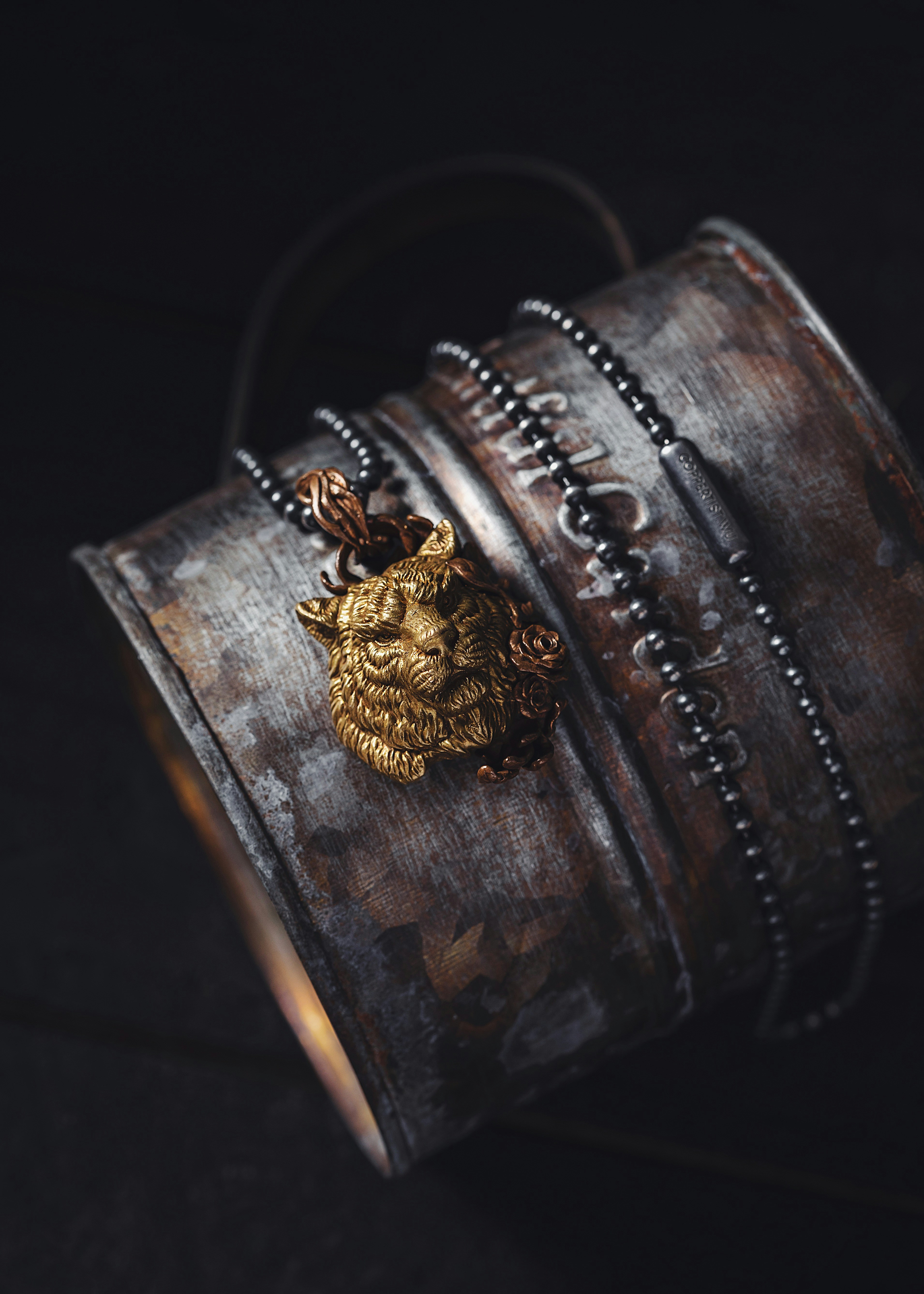
Introduction to Lion Copper
Lion Copper, an exceptional mineral, presents a striking example of nature’s artistry. Renowned for its distinctive metallic sheen and vibrant copper coloration, this geological marvel captures the attention of both collectors and enthusiasts alike. Composed primarily of native copper, Lion Copper often showcases an intricate blend of beauty and rarity, making it a prized specimen in the world of minerals and gemstones.
The unique properties of Lion Copper are primarily attributed to its formation process. Unlike many other minerals, which may require complex geological conditions to develop, Lion Copper often forms in relatively simple environments. This mineral is typically found in areas with a rich presence of copper and is characterized by its cubic and octahedral crystals, sometimes exhibiting a deep reddish hue that resembles the majestic qualities of a lion—hence its name.
Lion Copper is predominantly located in geographical regions known for their copper deposits, including areas in Michigan and the western United States. These locations provide the necessary geological conditions for Lion Copper to thrive, often resulting in spectacular finds in mineral collections and artisanal crafts. The allure of Lion Copper extends beyond its mere existence as a natural specimen; it has found significant application in the realms of jewelry and decorative arts. The unique copper coloration, combined with the metal’s malleability, allows artisans to create stunning jewelry pieces that not only appeal to aesthetic sensibilities but also resonate with the rich history and symbolism associated with copper.
In summary, Lion Copper stands as a testament to the wonders of natural geology, offering both beauty and versatility. Its unique properties, geographical significance, and artistic applications highlight why this mineral is not just a curiosity but a coveted material in various fields.
Physical and Chemical Properties
Lion Copper, renowned for its striking beauty and alluring luster, possesses distinct physical and chemical properties that make it a highly valued mineral in various industries. This exceptional copper variant typically has a composition of over 95% copper, alongside trace elements such as sulfur, oxygen, and other metals. The presence of these elements contributes to the mineral’s unique appearance, often characterized by its golden to reddish-brown hue that glimmers under light.
In terms of hardness, Lion Copper scores around 2.5 to 3 on the Mohs scale, indicating its relative softness compared to other minerals. This property makes it easily workable, allowing artisans to shape and mold it into intricate designs for jewelry or decorative pieces. The luster of Lion Copper is another striking feature; it exhibits a metallic sheen, reflecting light vividly. This visual appeal is primarily attributed to the high purity level of the copper, which enhances its glittering quality.
When discussing its conductivity and malleability, Lion Copper stands out as one of the best conductors of electricity, making it an ideal material for electrical applications. Additionally, its malleability allows it to be stretched or deformed without breaking, which is essential in manufacturing processes, especially in wiring and various electrical components. Typical inclusions found in Lion Copper include oxidized minerals and other metal traces, which can occasionally affect its overall appearance but often enhance its uniqueness. These characteristics, combined with its aesthetic allure, contribute significantly to the value of Lion Copper in both artistic and industrial contexts.
Applications and Uses of Lion Copper
Lion Copper, known for its unique properties and aesthetic appeal, has numerous applications in various fields, significantly impacting modern society. One of the primary uses of Lion Copper is in metallurgy, where its malleability and conductivity make it an ideal material for alloy production. Combining Lion Copper with other metals enhances their structural integrity and resistance to corrosion, making it valuable in the manufacturing of durable goods.
In the realm of electrical engineering, Lion Copper plays a crucial role due to its excellent electrical conductivity. Copper wires, often infused with Lion Copper, are widely used in electrical systems and components, ensuring efficient energy transfer and minimal energy loss. This characteristic is particularly vital in industries requiring reliable and effective electrical connections, such as telecommunications and power generation.
The artistic community has also embraced Lion Copper for its stunning aesthetic properties. Artisans utilize Lion Copper to create exquisite jewelry and decorative items, capitalizing on its brilliant luster and unique color variations. The use of Lion Copper in jewelry design has gained popularity, with designers combining it with gemstones and other materials to create striking pieces that appeal to a broad audience. Additionally, sculptors and crafters often incorporate this metal into their artwork, fostering a trend that celebrates natural elements in contemporary artistry.
Historically, Lion Copper has played a vital role in various cultures, often being utilized for ceremonial purposes and as a status symbol. Today, the mining and craftsmanship associated with Lion Copper have evolved, with artisans and manufacturers adopting advanced techniques to enhance production and design processes. This evolution reflects a growing appreciation for the material’s unique qualities, leading to a revitalization of its use in both functional and ornamental capacities. As trends continue to shift, Lion Copper remains a remarkable testament to the intersection of nature and human creativity.
Environmental Impact and Sustainable Practices
The extraction of Lion Copper, while critical for various industries, poses significant ecological challenges that must be addressed. Mining activities can lead to habitat destruction, soil erosion, and the depletion of biodiversity. Moreover, the process often requires substantial water use and can contribute to the pollution of surrounding water bodies, which can have cascading effects on local ecosystems. Recognizing these potential consequences is essential for fostering a more sustainable approach to copper mining.
To mitigate the environmental impacts associated with Lion Copper extraction, implementing sustainable practices is paramount. Responsible sourcing plays a pivotal role in this regard. This involves ensuring that copper is obtained from mines that adhere to stringent environmental standards, thereby minimizing ecological disruption. Furthermore, adopting advanced mining technologies can enhance efficiency and reduce waste generation. Techniques such as precision mining and adaptive management strategies can help to lessen the environmental footprint of copper extraction.
In addition to responsible sourcing, recycling initiatives are crucial for promoting sustainability in the copper industry. Recycling copper significantly lessens the need for new copper mining, thus reducing habitat destruction and resource consumption. According to studies, recycled copper retains the same quality as newly mined copper while consuming up to 90% less energy during production. As consumers, we have a vital role to play in this cycle. By choosing products made from sustainably sourced Lion Copper or recycled copper materials, we can drive demand for environmentally-friendly practices within the industry.
In conclusion, while the environmental impact of Lion Copper mining is considerable, the implementation of sustainable practices can foster a balance between resource extraction and ecological conservation. By advocating for responsible sourcing and actively promoting recycling initiatives, both individuals and industries can contribute to a more sustainable future for copper usage.


