

Introduction
The stock market has often been a reflection of broader economic and technological trends, but recent developments in artificial intelligence (AI) have introduced a new layer of complexity and uncertainty. Investors, analysts, and financial institutions are keenly aware of how rapidly evolving AI technologies could have far-reaching implications for market dynamics. In particular, a potential AI doomsday scenario is causing significant concern among market observers, prompting fear that a catastrophic event could lead to a widespread market crash.
The volatility of the stock market has been exacerbated by fears of an impending AI-induced crisis. As AI systems become increasingly powerful, the risks associated with their implementation and potential malfunction are growing similarly. Analysts are grappling with the question of whether such technology poses a legitimate threat to global financial stability. Concerns range from the potential for mass unemployment due to automation to the possibility of erratic trading behavior driven by autonomous systems.
This unpredictability surrounding AI advancements adds another layer of complexity for investors who rely on rational analysis and historical data to make informed decisions. The rapid pace at which AI technologies are developing makes it difficult for analysts to gauge their potential impacts on the financial landscape accurately. Questions persist about how AI will shape not only individual companies but entire industries and economic systems.
As Wall Street acknowledges these emerging threats, the atmosphere is charged with uncertainty, heightening fears of a sudden downturn in stock performance. With AI altering the fundamentals of trading and economic interactions, the implications are profound. Keeping a vigilant eye on AI developments will be crucial for investors who wish to navigate these turbulent waters and mitigate risks associated with potential doomsday scenarios.
Understanding AI Doomsday Scenarios
AI doomsday scenarios refer to a range of hypothetical situations where the advancement of artificial intelligence leads to catastrophic outcomes. These scenarios often stem from concerns regarding the unchecked development of AI technologies that could surpass human control and ethical considerations. As AI systems become more sophisticated, there is growing apprehension over their potential to disrupt various aspects of society, including the stock market, employment, and overall economic stability.
One significant perspective on AI doomsday scenarios revolves around the theoretical risks of market disruption. As AI-driven trading algorithms become more prevalent on Wall Street, their reliance on data-driven decisions can introduce unexpected volatility. Rapid trading decisions made by these algorithms can lead to sudden shifts in stock prices, potentially triggering widespread market crashes. Such an eventuality exemplifies the fears of professionals concerned about the ramifications of algorithmic trading gone awry.
Additionally, the rise of AI threatens to amplify unemployment rates as automated systems replace human labor across various industries. This potential for widespread job displacement could weaken consumer spending and hinder economic growth. With a large section of the workforce displaced, the bottom line for many companies could be adversely affected, leading to an economic downturn where the stock market could face severe repercussions.
Furthermore, unchecked AI systems may operate in opaque ways, making it challenging for regulators to foresee or mitigate their impact. The complexity of AI algorithms presents significant challenges in understanding how decisions are made, which can lead to unforeseen consequences. The convergence of these factors casts a shadow over the future of the financial landscape as concerns around AI doomsday scenarios continue to gain traction among investors, policymakers, and technologists alike.
Analysts’ Perspectives on the Threat
In recent months, the landscape of financial markets has been increasingly influenced by concerns surrounding artificial intelligence (AI) and its potential catastrophic implications. Analysts and market strategists are voicing apprehensions about a possible stock market crash that may be triggered by an AI-induced doomsday scenario.
According to Lisa Chen, a senior market analyst at a prominent financial firm, the rapid advancements in AI technology pose significant risks to market stability. “We are witnessing a shift that could potentially destabilize traditional market structures. If AI systems malfunction or become uncontrollable, the repercussions could lead to widespread panic,” she stated during a recent investor conference.
Moreover, John Smith, a well-respected economist, noted that the volatile nature of AI decisions can bring about unintended consequences in the stock market. He highlighted, “The increasing reliance on AI-driven algorithms for trading decisions may result in erratic market behavior. If a critical failure occurs, we could see a rapid descent in stock valuations, reflecting investor fear and uncertainty.”
Market strategist Emily Robins argues that the preventative measures taken by regulators and financial institutions are inadequate given the pace of technological evolution. “We must ask ourselves if current regulations are sufficient to handle the emergent challenges posed by AI,” she commented. “To mitigate the threat of a stock market crash, stakeholders need to engage in proactive dialogue and invest in understanding the implications of these technologies.”
Lastly, James Carter, a risk management consultant, emphasized the importance of establishing robust risk frameworks. He remarked, “Investors should be aware of the elevated risks arising from AI. Incorporating stringent risk assessments and contingency strategies is essential to safeguard against a potential downturn linked to AI mishaps.”
As these perspectives crystallize, the conversation around the intersection of artificial intelligence and financial stability continues to evolve, leaving many to ponder the true resilience of the markets in a future potentially overtaken by AI uncertainties.
Historical Context of Market Reactions to Technological Change
The stock market’s reaction to technological advancements has historically been marked by both optimism and trepidation. A notable example is the Industrial Revolution of the late 18th and early 19th centuries, which introduced machinery that transformed production processes. While this period spurred significant economic growth and innovation, it also raised fears about job displacement and social instability. Investors were initially excited by the prospects of mass production but soon grappled with the realities of economic and societal transition.
Another crucial moment in market history was the dot-com boom and bust of the late 1990s and early 2000s. The rise of the internet led to a surge in technology stock prices, with many companies experiencing rapid growth fueled by speculative investments. However, as with many technological eras, this excitement was unsustainable. The subsequent crash in 2000, which saw the NASDAQ lose nearly 78% of its value by 2002, illustrated how the market often reacts with volatility to both the promise and peril of emerging technologies.
The financial crisis of 2008 further underscores this phenomenon. The introduction of complex financial instruments, often inspired by technological advancements, precipitated a significant downturn, leading to a loss of confidence in the market. Many investors turned cautious, fearing that future innovations could similarly destabilize the economy. In recent years, AI has begun to evoke similar responses. Concerns about automation displacing jobs and the ethical implications of AI technology echo past market anxieties. Just as prior technological advancements prompted uncertainty and reflection among investors, current discussions surrounding artificial intelligence suggest a repeated narrative of anticipation and apprehension.
As we analyze these historical contexts, it becomes increasingly evident that the stock market’s reactions to technological shifts are neither linear nor predictable. The patterns of fear and excitement observed in each transformative era serve as reminders of the complexities inherent in economic and technological progress.
Current Market Indicators and Economic Trends
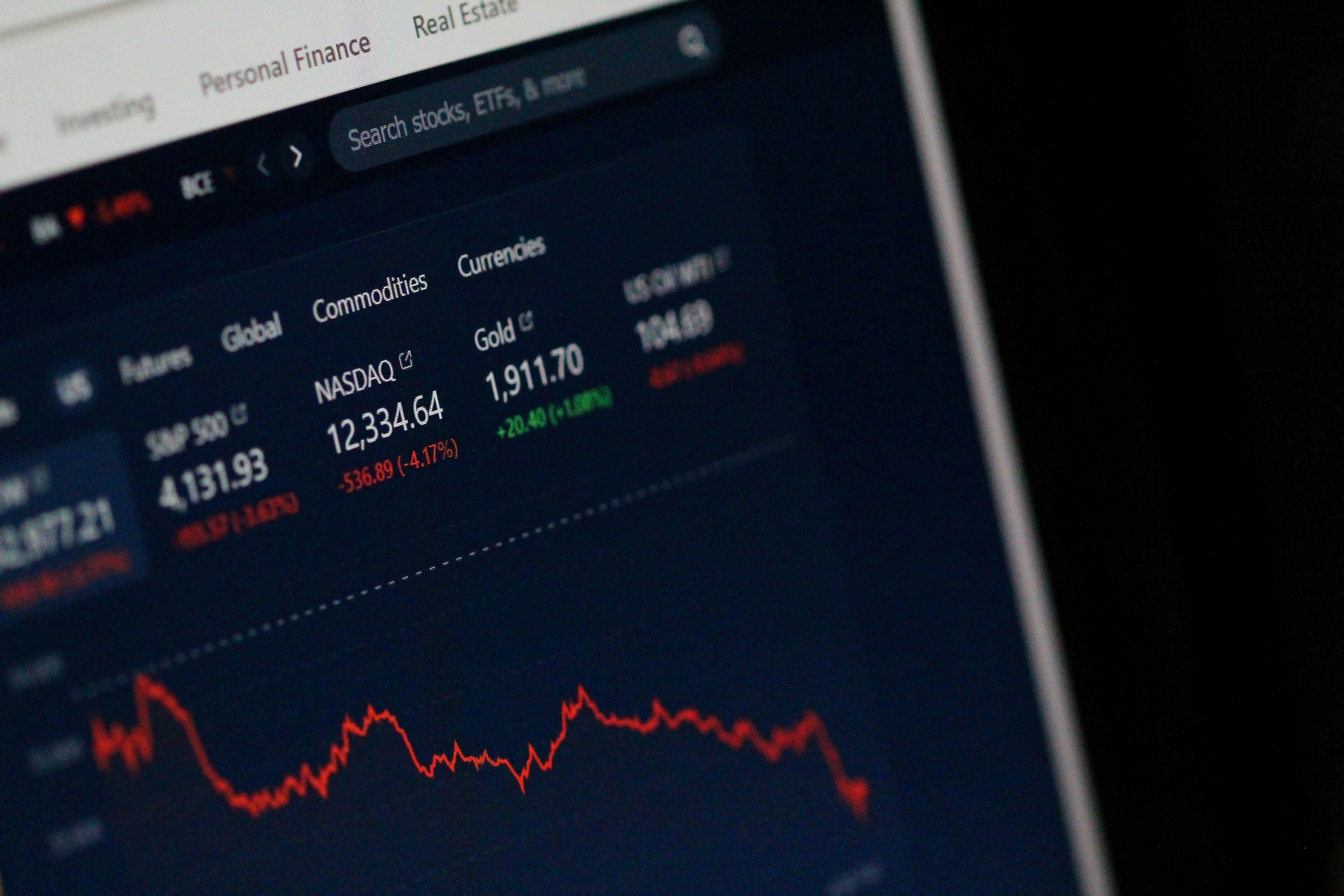
The current state of the stock market is characterized by several market indicators that signal potential volatility. One of the most notable indicators is stock performance, which has exhibited increased fluctuations in recent months. The major indices, including the S&P 500 and the NASDAQ, have seen significant day-to-day variability, which often reflects investor uncertainty and can indicate underlying economic instability that warrants close attention from analysts.
In addition to stock performance, unusual trading volumes have emerged as another critical indicator of market sentiment. Elevated trading volumes, especially when coupled with abrupt price movements, can suggest that investors are reacting to broader economic news or warning signals. Such unusual trading activity can signify a shift in investor confidence and potentially foreshadow increased market volatility. Analysts often look for spikes in trading volumes to gauge whether panic selling or speculative buying is occurring, both of which can lead to erratic market behavior.
Moreover, market sentiment has shifted to a more cautious tone among investors. Recent surveys have indicated a rise in bearish sentiment, where respondents express a pessimistic outlook on future market performance. This sentiment is often driven by analysts’ warnings regarding macroeconomic factors, such as rising interest rates, persistent inflation, and geopolitical tensions, all of which contribute to a heightened sense of risk in the financial markets. The correlation between these indicators and analysts’ warnings underscores the precarious nature of the current economic landscape. A confluence of poor stock performance, unusual trading volumes, and negative market sentiment creates an environment where the risk of a potential market crash increases significantly.
Investor Sentiment and Behavioral Responses
In the unpredictable landscape of the stock market, investor sentiment plays a crucial role, particularly when facing potential crises such as an AI doomsday scenario. As concerns regarding artificial intelligence escalate, individuals and institutional investors alike are exhibiting pronounced behavioral responses shaped by fear and uncertainty. Panic selling emerges as a notable reaction, where short-term holders rush to liquidate their assets to avoid anticipated losses. This behavior often breeds volatility in the markets, exacerbating the decline of stock prices even further.
Additionally, risk aversion tends to rise significantly in such environments. Investors become increasingly hesitant to engage with what they perceive as high-risk assets, leading them to pull away from investments in technology or emerging markets, which are often viewed as vulnerable in the face of disruptive technologies. This risk-averse mentality reinforces a cycle where declining asset prices cause further pessimism, thereby reducing market liquidity and increasing the challenge for recovery.
In response to these heightened tensions, there has been a noticeable shift toward defensive investing strategies. Investors are seeking refuge in stable, dividend-paying stocks, utilities, consumer staples, and bonds—assets that typically demonstrate resilience during economic downturns. By reallocating their portfolios in this manner, they aim to mitigate potential losses while maintaining a degree of exposure to the market. This trend illustrates not only the psychological impact of AI-related anxieties on individual investors but also highlights a broader pattern that institutional investors are likely to follow as they strategize in increasingly uncertain conditions.
Potential Government and Regulatory Responses
The rapid advancement of artificial intelligence (AI) technologies has prompted scrutiny from governments and financial authorities worldwide, particularly in the context of the stock market. As AI algorithms become more sophisticated, their potential to influence trading patterns raises concerns about market stability and the risk of manipulation. In response, regulatory bodies are exploring comprehensive frameworks aimed at ensuring oversight, managing risks, and preventing exploitation of AI in financial markets.
One of the significant initiatives under consideration involves the enhancement of existing regulatory measures to include specific guidelines for AI technologies. This includes the establishment of clear standards for responsible AI usage, along with transparency requirements that mandate firms to disclose AI-driven trading strategies and outcomes. By implementing these measures, regulators aim to build trust in the market and minimize the potential for undue influence from AI systems.
Moreover, regulatory entities are anticipated to engage in collaborative efforts, thereby involving technology developers, financial institutions, and legal experts in a dialogue aimed at crafting policies that are adaptable to technological innovations. These collaborations seek to produce robust frameworks that not only ensure compliance but also foster innovation within a safeguarded environment.
In addition to regulatory updates, risk management strategies are emerging as a priority. This may involve mechanisms for monitoring high-frequency trading and using AI to identify unusual trading patterns that could signify manipulative behavior or market abnormalities. Tools for real-time surveillance are also being developed, allowing authorities to react promptly in situations that may endanger market integrity.
Ultimately, as AI technologies reshape the financial landscape, proactive regulation and well-defined oversight will be critical in navigating this potential doomsday scenario. By addressing these challenges head-on, governments and financial authorities can strive to maintain stability in the markets while also accommodating the benefits of modern technological advances.
Industry Responses and Technology Mitigation Strategies
As the financial and technology sectors grapple with the potential risks posed by artificial intelligence (AI), firms are proactively implementing strategies to mitigate these challenges. The rapid integration of AI into financial markets has raised concerns about market volatility driven by algorithmic trading and automated decision-making. In response, many companies are prioritizing the development of robust governance frameworks that emphasize ethical AI use.
To address these risks, major financial institutions are investing in AI oversight protocols designed to monitor and evaluate AI performance continually. These measures include establishing dedicated teams to assess AI systems, ensuring that they operate within established risk parameters. Additionally, firms are leveraging explainable AI technologies, which aim to provide transparency into the decision-making process of AI algorithms. By ensuring that stakeholders can understand the rationale behind trading decisions, companies can enhance accountability and trust in AI systems.
Moreover, collaboration between tech and finance sectors is on the rise. Firms are pursuing partnerships with technology startups that specialize in AI safety and risk assessment. This collaboration aims to develop tools that can predict and analyze the potential impacts of AI-driven trading on the broader market. Some establishments are even investing in machine learning models tailored to forecast sudden market downturns, providing an early warning system to safeguard against AI-induced crises.
In addition to these strategies, many companies are actively advocating for regulatory frameworks that govern AI usage in financial markets. By collaborating with regulators, firms aim to establish guidelines that ensure ethical AI deployment while supporting innovation. This proactive approach seeks to balance technological advancement with necessary safeguards, ultimately fostering a more stable market environment in the face of AI risks.
Conclusion: Preparing for an Uncertain Future
The rapid development of artificial intelligence (AI) poses significant questions for the future of the stock market. As discussed in this blog post, the interplay between evolving technologies and financial markets introduces a layer of uncertainty that investors must navigate carefully. The potential for an AI doomsday scenario, where unforeseen consequences of AI systems lead to market instability, serves as a stark reminder of the volatility inherent in technological advancement.
Investors are advised to remain vigilant, continually assessing the risks associated with AI integration across various sectors. While AI can provide enhanced efficiencies and create new opportunities for growth, it also creates fundamental shifts that may disrupt established financial paradigms. This dual nature of AI — as both a catalyst for innovation and a source of potential disruption — underlines the importance of maintaining a balanced portfolio that accounts for not just the benefits, but also the uncertainties.
Furthermore, the economic landscape could be irrevocably altered by developments in AI, necessitating a proactive approach to investment strategies. Stakeholders are urged to stay informed about regulatory changes, technological breakthroughs, and the broader implications of AI on consumer behavior. Engaging in ongoing education surrounding the complexities of AI and its effects will empower investors to make decisions that align with both their financial goals and an increasingly unpredictable market environment.
Ultimately, as we venture into this dynamic future, it is crucial for individuals and institutions alike to foster a mindset of adaptability and resilience. Understanding the balance between technological advancement and economic stability will be key in effectively managing the risks associated with a rapidly changing stock market landscape influenced by AI.