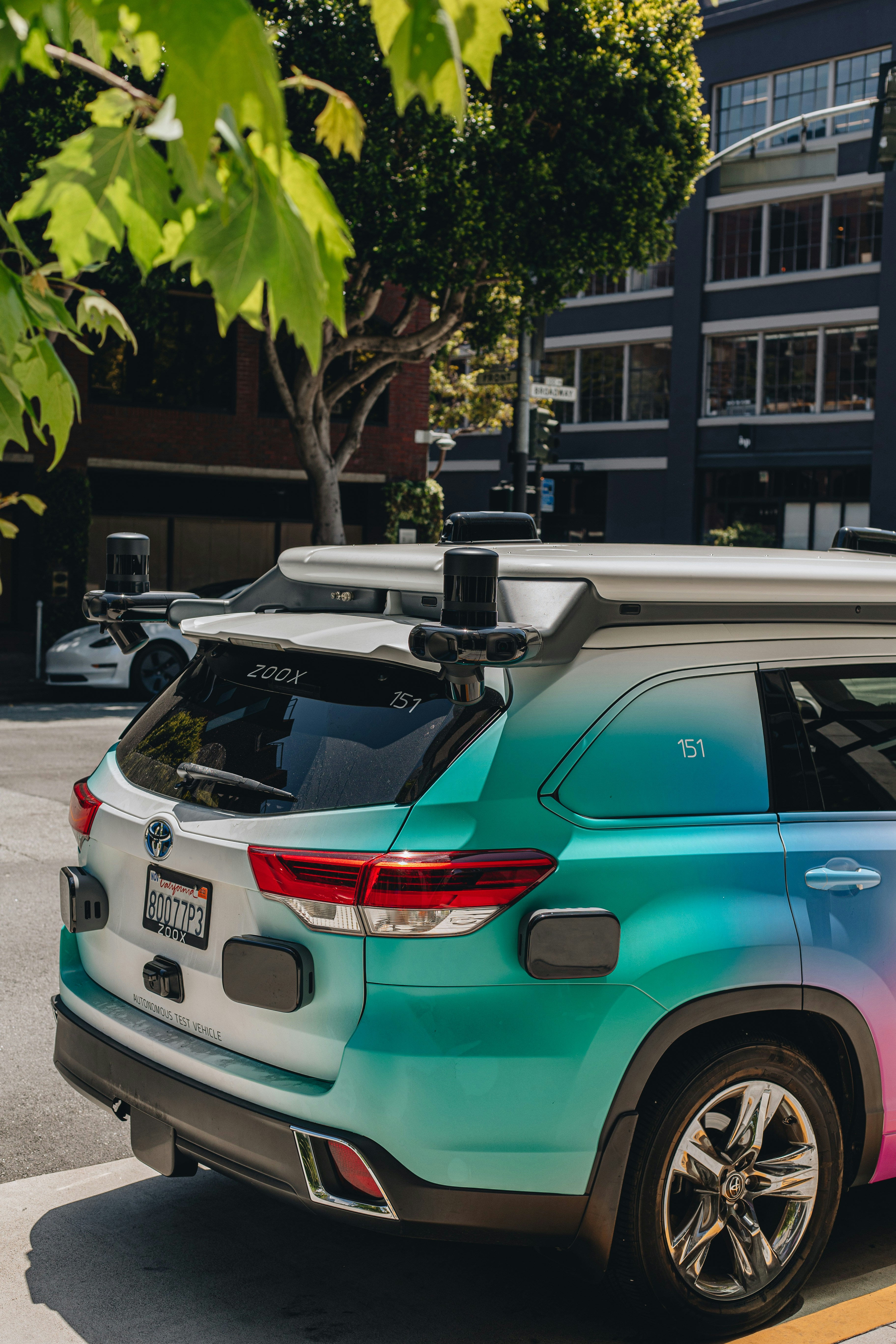
Introduction to the Autonomous Vehicle Market
The autonomous vehicle (AV) market in the United States represents a rapidly evolving sector with significant technological advancements, ambitious investment, and a growing number of key players. Autonomous vehicles are defined as self-driving or driverless cars equipped with technology that enables them to navigate without human intervention. These vehicles are classified according to levels of automation, ranging from Level 0 (no automation) to Level 5 (full automation). Each level signifies the degree of driver involvement required, with Level 5 vehicles requiring no human presence to operate.
The current landscape of the AV market is primarily shaped by technological progress in artificial intelligence (AI), machine learning, and sensor technologies, all of which have enabled vehicles to interpret their surroundings and make real-time decisions. Major automotive manufacturers such as Tesla, Waymo, and General Motors are at the forefront of this transformation, employing extensive research and development to refine their autonomous systems. Additionally, tech giants are increasingly entering the fray, underscoring the interdisciplinary nature of the market.
Government regulations and support play a pivotal role in steering the development and deployment of autonomous vehicles. Federal and state regulations aim to ensure safety while promoting innovation. Initiatives like the U.S. Department of Transportation’s AV 3.0 framework encourage collaboration between public and private sectors to foster a conducive environment for AV integration into existing transportation systems.
Public perception of autonomous vehicles significantly influences market dynamics. While many individuals recognize the potential benefits of AVs, including reduced traffic accidents and improved mobility, concerns regarding safety, privacy, and ethical implications persist. Nevertheless, projections indicate robust growth rates for the AV market, with estimates suggesting it could unlock a financial opportunity exceeding $1 trillion. This context sets the stage for a thorough examination of the factors driving this remarkable market.
Market Drivers and Opportunities
The rapid evolution of autonomous vehicle (AV) technology is significantly transforming the transportation landscape, creating a remarkable market opportunity projected at $1 trillion in the United States. One of the primary drivers fueling this growth is the increasing demand for smart transportation solutions aimed at addressing urban congestion and enhancing road safety. As cities expand and populations grow, the need for efficient, reliable, and environmentally-friendly transportation options becomes increasingly critical. Autonomous vehicles offer a promising solution to these challenges by facilitating traffic flow, reducing commute times, and minimizing vehicular emissions.
Urbanization is another crucial factor influencing the AV market. The U.S. continues to experience a shift towards urban living, with more than 80% of the population residing in urban areas. This trend leads to heightened traffic congestion and a pressing need for innovative transportation alternatives. Autonomous vehicles can seamlessly integrate into public transport systems, providing last-mile connectivity and enhancing overall mobility in densely populated regions.
Moreover, the surge in funding from both public and private sectors plays a vital role in accelerating the development of AV technologies. Major automotive manufacturers, technology firms, and startups are investing heavily in research and development to refine algorithms and improve sensor capabilities for AVs. Government investments and supportive regulatory frameworks are further catalyzing innovation in this space, ensuring a gradual shift towards widespread adoption.
Additionally, advancements in artificial intelligence (AI) and machine learning are central to optimizing autonomous vehicle functions. These technologies enable AVs to analyze vast amounts of data in real-time, enhancing their decision-making capabilities and safety features. The diversification of AV applications, such as ride-sharing, logistics, and personal transport, illustrates their potential to disrupt traditional transportation models and contribute significantly to market growth. As these trends converge, the autonomous vehicle sector is positioned to unlock immense economic benefits, addressing not only transportation challenges but also broader societal needs.
Challenges Facing the Autonomous Vehicle Industry
The autonomous vehicle (AV) industry stands on the cusp of revolutionizing transportation, yet it grapples with numerous challenges that hinder its full potential. One significant hurdle is ensuring the safety of AVs. Despite extensive engineering and testing, incidents involving autonomous vehicles raise concerns about their reliability, particularly in complex urban environments. Manufacturers must address public fears regarding the safety of these vehicles to foster greater acceptance and trust among consumers.
Technological advancements also represent a substantial challenge. The development of sophisticated artificial intelligence (AI) systems for navigation and decision-making is critical. These systems must process vast amounts of data from a range of sensors in real-time to make split-second decisions. Achieving consistent performance in various weather conditions and unpredictable traffic scenarios remains a work in progress, necessitating ongoing research and development.
Additionally, the absence of comprehensive regulatory frameworks presents a significant obstacle. Current laws were not designed with autonomous technology in mind; thus, they can be vague or insufficient for the unique aspects of AVs. Policymakers must collaborate with industry leaders to create clear guidelines that address liability, safety standards, and the ethical implications of autonomous driving.
Infrastructure requirements also must be considered. The current road networks and traffic management systems may need substantial upgrades to accommodate autonomous vehicles effectively. Investments in smart traffic signals, updated signage, and vehicle-to-infrastructure (V2I) communication systems are necessary to enhance operational efficiency.
Lastly, public skepticism poses a barrier to widespread adoption. Educating the public about the benefits of autonomous vehicles and demonstrating their safety will be paramount in addressing concerns. Collaborative efforts among technology developers, policymakers, and community stakeholders can pave the way for innovative solutions that address these challenges while promoting confidence in autonomous technologies.
The Future Outlook and Key Players in the AV Market
The future outlook for the autonomous vehicle (AV) market is promising, with expectations of rapid growth driving significant investments and innovation over the next decade. Analysts predict that the AV industry could reach a valuation of over $1 trillion by 2030, as technological advancements reduce operational costs and enhance safety. Furthermore, the integration of artificial intelligence (AI) and machine learning into AV systems is expected to improve decision-making capabilities, making autonomous vehicles more reliable and effective.
Key players in the AV market encompass a diverse array of companies, including established automotive manufacturers like Ford, General Motors, and Toyota, as well as tech giants such as Google and Tesla. These companies are leveraging their competitive advantages to develop cutting-edge AV technologies. For instance, Tesla’s Autopilot feature showcases the company’s commitment to pushing the boundaries of self-driving capabilities, while Ford is focusing on strategic partnerships to accelerate its AV deployment plans. Tech startups, including Waymo, Cruise, and Aurora, are also significant contributors, often collaborating with automotive firms to refine their autonomous driving solutions.
In addition to companies solely focused on automotive manufacturing, the market has seen a rise in collaborations between traditional automakers and technology firms. These partnerships combine automotive expertise with cutting-edge technology to create innovative solutions for safer and more efficient transportation. Investors play a critical role in this dynamic, providing the necessary capital for research and development projects aimed at bringing AVs from concept to reality. The influx of funding into startups focuses on enhancing the overall AV ecosystem through infrastructure improvements, regulatory advocacy, and consumer education.
Ultimately, the widespread adoption of autonomous vehicles is anticipated to reshape the transportation landscape significantly, impacting various sectors including logistics, public transportation, and personal mobility. As AV technology matures, it offers the potential to reduce congestion, lower emissions, and increase accessibility for individuals with mobility challenges. The next decade will be crucial for determining how quickly these revolutionary changes will unfold, underscoring the importance of collaboration among key stakeholders in the industry.