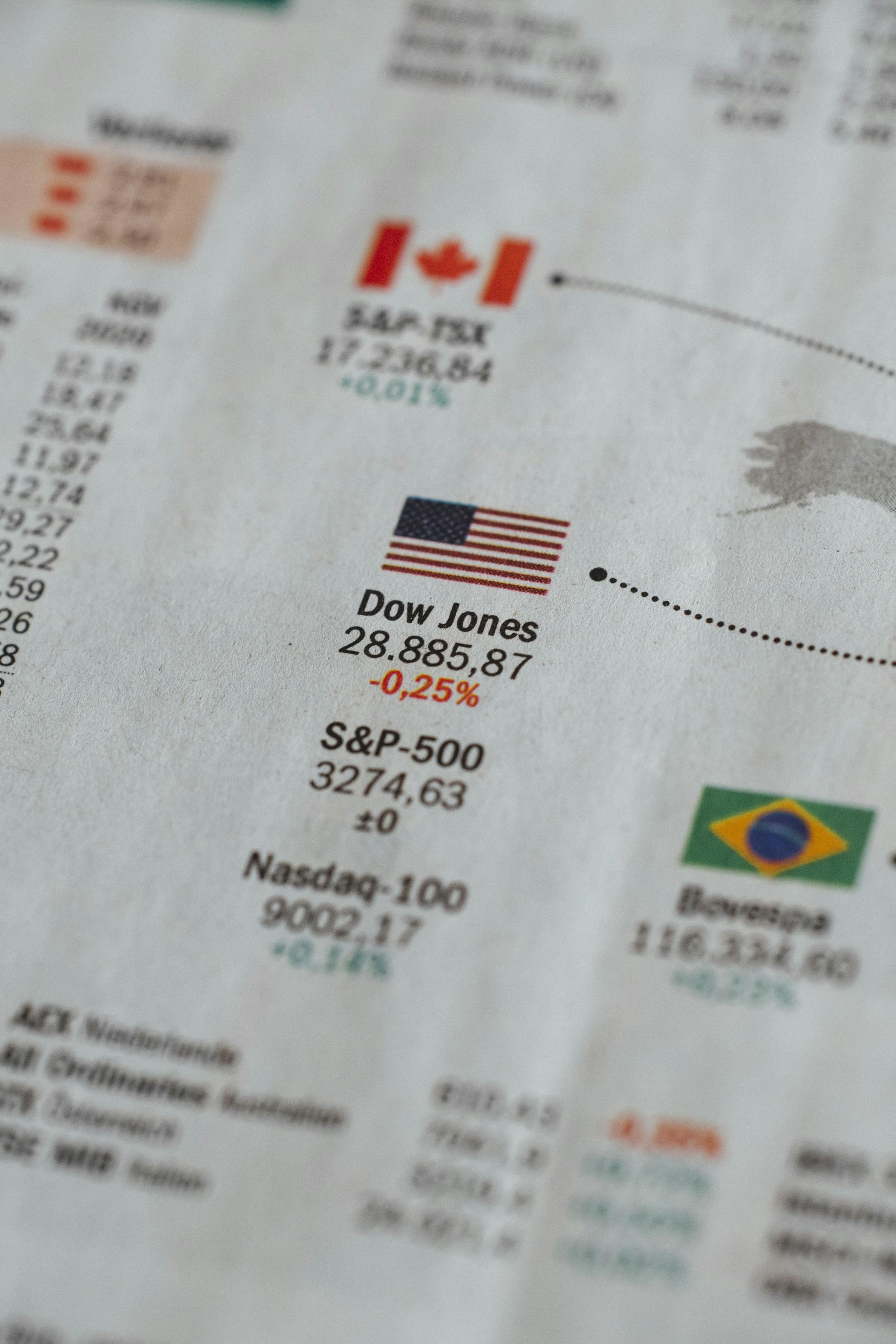
Analyzing the Current Cash Reserves of U.S. Companies
In recent years, U.S. companies have notably increased their cash reserves, amassing substantial liquidity, especially during and after the pandemic. This accumulation of cash can be attributed to various factors, reflecting a shift in financial strategies in the face of economic uncertainty. Companies across multiple sectors have recognized the importance of maintaining robust cash positions to ensure operational resilience.
The pandemic served as a catalyst for many organizations, prompting a reassessment of financial priorities. With unforeseen disruptions to supply chains and consumer behavior, businesses sought to fortify their liquidity against potential downturns. Enhanced cash holdings have emerged as a strategy to safeguard against volatility and enable companies to adapt quickly to changing market conditions. Financial reports indicate that numerous corporations, particularly in technology and healthcare sectors, have significantly boosted their cash reserves as a means of ensuring stability.
The reasons behind rising cash reserves are multi-faceted. Firstly, a conservative approach towards future investments has taken precedence as firms prefer to hold cash rather than commit to uncertain ventures. Additionally, the shift toward digital business models has created opportunities for cash generation, further enhancing liquidity. For instance, companies that transitioned to e-commerce during the pandemic have found themselves with increased cash flow, allowing for greater accumulation of cash reserves.
Across different sectors, cash reserves present a varied picture. While technology firms have reported some of the highest levels of cash holdings, industries such as hospitality and retail have had to navigate more complex financial landscapes, often resulting in lower reserve levels due to pandemic-related challenges. Overall, the trend of amplifying cash reserves reflects a prudent adaptation to economic pressures, positioning companies for both present operational needs and future investments.
Investment Strategies: Where is the Cash Going?
U.S. companies are employing a range of investment strategies to effectively utilize their cash reserves. One prominent strategy is investing in new technologies. Organizations such as Microsoft and Google have been allocating substantial funds to research and development initiatives, aiming to innovate and stay competitive. These investments often lead to advancements in artificial intelligence, cloud computing, and other emerging technologies, providing firms with a significant long-term advantage.
Another common strategy involves acquisitions. Many companies view strategic acquisitions as a way to expand their market reach and enhance product offerings. For instance, the acquisition of LinkedIn by Microsoft in 2016 exemplifies how a significant cash reserve can be leveraged to create synergies and enhance functionality across platforms. However, mergers and acquisitions also carry inherent risks, including potential cultural mismatches and integration challenges that can hinder the expected benefits.
Alongside these growth-oriented strategies, stock buybacks have become increasingly popular. Firms such as Apple and Tesla have initiated extensive buyback programs, which reduce the number of outstanding shares in the market, thereby increasing earnings per share and providing a more favorable return for existing shareholders. While this can be a solid way to return value to shareholders, it is essential to balance this approach with necessary reinvestments in the business to fuel long-term growth.
Moreover, many companies are choosing to distribute dividends as a means of returning cash to shareholders. Dividends offer a steady income stream and signal financial health. Companies like Coca-Cola have a long history of dividend payments, reinforcing investor confidence in times of market volatility. In utilizing these various strategies, it is crucial for companies to weigh the associated benefits against the risks to ensure sustainable growth and shareholder value.
The Impact of Interest Rates and Economic Policy
The financial landscape for U.S. companies has been significantly influenced by the prevailing interest rates and government economic policies. With recent fluctuations in these rates, companies are re-evaluating their cash management strategies, leading to important shifts in borrowing and investment behaviors.
When interest rates rise, the cost of borrowing increases for corporations. This heightened expense can deter companies from taking on new loans or expanding their operational capabilities. As a result, many firms may choose to conserve cash rather than commit to potentially risky investments in a high-rate environment. This strategy allows them to maintain liquidity, ensuring they can meet operational expenses, pay down existing debts, and position themselves for future opportunities when conditions improve.
Moreover, rising rates can trigger a reallocation of existing cash reserves. U.S. companies are increasingly cautious, opting for safer, short-term investments rather than long-term projects that may yield lower returns amidst volatile interest environments. This shift underscores a broader trend wherein financial decision-making is heavily influenced by the current state of interest rates, as businesses strive to maximize returns while minimizing risk.
In addition to interest rates, government fiscal policies also play a crucial role in shaping corporate cash strategies. Tax incentives or disincentives, trade policies, and stimulus initiatives directly impact companies’ cash flow and investment decisions. For instance, favorable tax policies may encourage firms to reinvest cash into their operations, while unfavorable regulations could prompt them to hold onto more liquid assets in anticipation of uncertain economic conditions.
In summary, the dynamic interplay between interest rates and economic policy significantly affects how U.S. companies manage their cash reserves. As interest rates rise and fiscal policies evolve, businesses must adapt their strategies to navigate the associated challenges and opportunities, ensuring sustainable growth in an ever-changing financial environment.
Future Trends: What We Can Expect Moving Forward
As we look ahead, it is essential to consider how current economic indicators and industry trends will influence the cash management strategies of U.S. companies. By analyzing existing patterns, experts predict significant shifts in how organizations approach their cash holdings and investment strategies.
Firstly, with the ongoing fluctuations in the economy, many companies are expected to adopt a more conservative stance towards cash reserves. There is a prevailing sentiment among finance professionals that businesses, recognizing the potential for economic downturns, will prioritize maintaining liquidity. This trend is indicative of a broader strategy focused on risk management, empowering companies to weather unforeseen disruptions.
Moreover, the impact of technological advancements cannot be understated. The rise of digital currencies and decentralized finance (DeFi) solutions may prompt organizations to rethink traditional cash management practices. A growing number of U.S. firms are exploring ways to integrate cryptocurrencies into their portfolios, which could reshape liquidity considerations entirely. This shift is likely to influence investment strategies, with companies gradually allocating resources toward blockchain technology for transaction efficiency and security.
In addition to economic and technological factors, changes in consumer behavior play a crucial role in shaping company strategies. As consumers become more accustomed to opting for cashless transactions, firms may pivot towards reducing cash on hand while investing in digital payment solutions. This transition reflects a broader societal move towards convenience and efficiency, driving companies to streamline their financial practices accordingly.
Overall, the future of cash management among U.S. companies appears to be characterized by a blend of caution, innovation, and adaptation, guided by economic realities and shifting market dynamics. Such strategies will not only define the operational protocols of businesses but also impact their competitive edge in increasingly dynamic marketplaces.