

Analyzing PAVE Stock Price Trends and Predictions

Understanding PAVE ETF
Before diving into the stock price trends, it’s essential to understand what PAVE ETF is. PAVE, or the Global X U.S. Infrastructure Development ETF, focuses on U.S. companies involved in infrastructure development. This includes companies in industries such as construction, engineering, and materials production. The ETF is designed to capitalize on the growing need for infrastructure development within the United States.
The Composition of PAVE
PAVE ETF is comprised of a diverse array of companies, each contributing to the infrastructure sector in unique ways. These companies include large-scale construction firms, engineering companies specializing in innovative solutions, and materials manufacturers supplying vital resources. This diverse composition allows PAVE to mitigate risk by spreading investments across multiple facets of the infrastructure industry.
The Role of Infrastructure in Economic Growth
Infrastructure is the backbone of any economy, and investing in infrastructure can lead to significant economic benefits. It creates jobs, enhances efficiency, and supports overall economic stability. The U.S. government’s emphasis on infrastructure development as a means to boost economic growth has further highlighted the importance of investing in this sector. With ongoing discussions about infrastructure bills and government spending, PAVE ETF has become an attractive option for investors looking to capitalize on potential growth in this sector.
Global Trends Impacting U.S. Infrastructure
The U.S. infrastructure sector does not exist in isolation; it is influenced by global trends and developments. International trade policies, global supply chain dynamics, and international technological advancements all play a role in shaping the sector. For instance, global supply chain disruptions can affect the availability and cost of materials, impacting the profitability of companies within the PAVE ETF.
Historical Performance of PAVE Stock Price
To better understand the PAVE stock price trends, let’s examine its historical performance. Since its inception, PAVE has experienced various fluctuations, influenced by market conditions, economic policies, and industry developments.
Key Milestones in PAVE’s Journey
- Launch and Initial Growth: The PAVE ETF was launched in 2017, and it quickly gained traction among investors due to the increasing focus on infrastructure development in the U.S. Its initial growth phase was marked by optimism about the potential for government-led infrastructure projects and private sector innovation.
- Market Volatility: Like many stocks and ETFs, PAVE experienced volatility during market downturns, such as the COVID-19 pandemic in early 2020. This period tested the resilience of the infrastructure sector, but PAVE showed remarkable recovery as economic conditions stabilized and government support for infrastructure grew.
- Recent Trends: In recent years, PAVE has benefited from renewed interest in infrastructure investment, leading to upward trends in its stock price. Factors such as government stimulus packages focused on infrastructure and increased private investment have played a significant role in these positive trends.
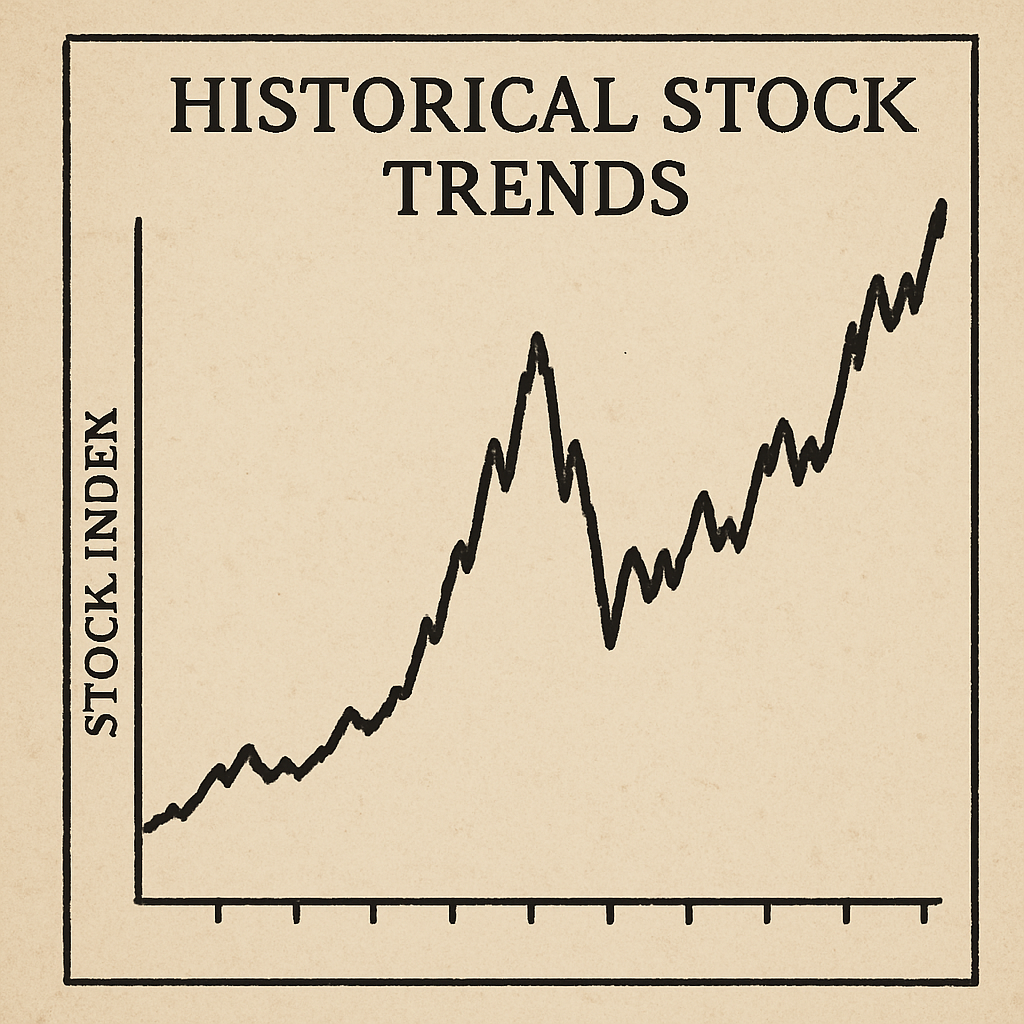
Analyzing Past Fluctuations
PAVE’s historical performance reveals patterns of fluctuation often tied to broader economic cycles. During periods of economic expansion, the demand for infrastructure-related services and materials typically rises, positively impacting PAVE’s performance. Conversely, economic contractions can lead to reduced infrastructure spending, affecting the ETF’s stock price.
Lessons from Historical Data
Studying PAVE’s historical data provides valuable lessons for investors. It highlights the importance of considering macroeconomic indicators and government policy changes when predicting future performance. Investors can also gain insights into how external shocks, such as pandemics or geopolitical tensions, can influence infrastructure investments.
Factors Influencing PAVE Stock Price
Several factors can influence the stock price of PAVE ETF. Understanding these factors can help investors make informed decisions.
Economic Policies and Government Spending
Government policies and spending on infrastructure projects can significantly impact PAVE’s stock price. Increased government investment in infrastructure can lead to higher demand for the companies included in the ETF, potentially driving up its stock price. Additionally, tax incentives and regulatory changes can further affect the profitability of the companies within PAVE.
Industry Developments
Advancements and changes within the infrastructure industry can also affect PAVE’s performance. For instance, new technologies or shifts in industry regulations can influence the operations and profitability of the companies within the ETF. Innovations such as sustainable building materials or smart infrastructure solutions can create new opportunities for growth.
Technological Innovations
The infrastructure sector is increasingly embracing technology to enhance efficiency and reduce costs. Innovations in areas like construction automation, data analytics, and renewable energy are transforming how infrastructure projects are executed. These technological advancements can provide a competitive edge to companies within the PAVE ETF, influencing their stock performance.
Market Sentiment and Investor Behavior
Market sentiment and investor behavior play a crucial role in stock price fluctuations. Positive news about infrastructure projects or favorable economic indicators can boost investor confidence, leading to increased demand for PAVE ETF. Conversely, negative sentiment or uncertainty can lead to sell-offs and declining stock prices.
Global Economic Conditions
The global economic environment can also impact PAVE’s stock price. Economic growth or slowdown in major economies can affect international trade, supply chains, and investment flows, indirectly influencing the performance of the U.S. infrastructure sector. Investors should keep an eye on global economic trends to better understand potential impacts on PAVE.
Analyzing Current PAVE Stock Price
As of today, the PAVE ETF stock price reflects the current market conditions and investor sentiment. To get an accurate picture of the PAVE stock price today, investors can refer to financial news platforms or stock market websites for real-time updates.
Market Performance and Trends
Analyzing the current market performance of PAVE involves looking at various metrics, such as trading volume, recent price changes, and comparing it to broader market trends. This analysis can provide insights into whether PAVE is experiencing a bullish or bearish trend. Understanding these trends can help investors gauge the ETF’s short-term performance and potential future movements.

by Yusuf Onuk (https://unsplash.com/@onkysf)
Comparing PAVE to Market Benchmarks
To gain a comprehensive view of PAVE’s performance, it’s important to compare it to relevant market benchmarks. This comparison can offer insights into how PAVE is performing relative to the broader market and other infrastructure-focused investments. Key benchmarks might include indices that track infrastructure performance or broader market indices like the S&P 500.
The Role of Investor Sentiment
Investor sentiment plays a crucial role in shaping the current stock price of PAVE. Monitoring news related to infrastructure policy changes, government spending plans, and economic indicators can provide valuable insights into investor sentiment. Additionally, understanding the psychological factors driving market behavior can help investors anticipate potential price movements.
Technical Analysis
Technical analysis involves studying historical price charts and trading patterns to predict future price movements. By applying technical indicators and chart patterns, investors can identify potential support and resistance levels for PAVE. This analysis can aid in making informed decisions about entry and exit points for investments in the ETF.
Predictions for PAVE Stock Price
Predicting the future stock price of any investment, including PAVE ETF, involves a degree of uncertainty. However, analysts often use historical data, market trends, and economic indicators to make informed predictions.
Short-Term Predictions
In the short term, PAVE’s stock price may be influenced by ongoing discussions about infrastructure bills and government budgets. Any significant developments in these areas could lead to fluctuations in the stock price. Investors should closely monitor legislative processes and announcements related to infrastructure spending to anticipate short-term impacts on PAVE.
Economic Indicators and Short-Term Trends
Economic indicators such as GDP growth, unemployment rates, and inflation can provide valuable insights into short-term trends. Positive indicators may signal increased infrastructure spending, benefiting PAVE, while negative indicators could suggest potential challenges. Analyzing these indicators alongside market sentiment can help investors make short-term predictions.
Long-Term Outlook
The long-term outlook for PAVE ETF largely depends on the sustained demand for infrastructure development. As the U.S. continues to focus on improving its infrastructure, PAVE could see steady growth over time. Long-term investors should consider factors such as demographic trends, urbanization, and technological advancements that are likely to drive demand for infrastructure.
Sustainable Infrastructure and Future Growth
Sustainability is becoming a key focus in infrastructure development. The shift towards environmentally friendly and sustainable infrastructure projects is expected to drive long-term growth for PAVE. Investors should assess the ETF’s exposure to companies involved in sustainable initiatives, as this could be a significant driver of future performance.
Global Economic Trends and Long-Term Predictions
Global economic trends, such as emerging markets’ growth and international trade dynamics, can also impact the long-term outlook for PAVE. As global economies continue to develop and invest in infrastructure, opportunities for U.S. infrastructure companies may expand. Understanding these trends can help investors make informed long-term predictions.
Conclusion
Investing in the PAVE ETF offers an opportunity to tap into the potential growth of the U.S. infrastructure sector. By understanding the stock price trends and the factors influencing its performance, investors can make more informed decisions. While no investment is without risk, PAVE ETF presents an intriguing option for those looking to invest in infrastructure development.
In summary, keeping an eye on economic policies, industry developments, and market sentiment can provide valuable insights into the future performance of PAVE stock price. As always, investors should conduct thorough research and consider their risk tolerance before making any investment decisions. Moreover, diversifying investments and staying informed about global and domestic economic trends can further enhance investment strategies involving PAVE.
