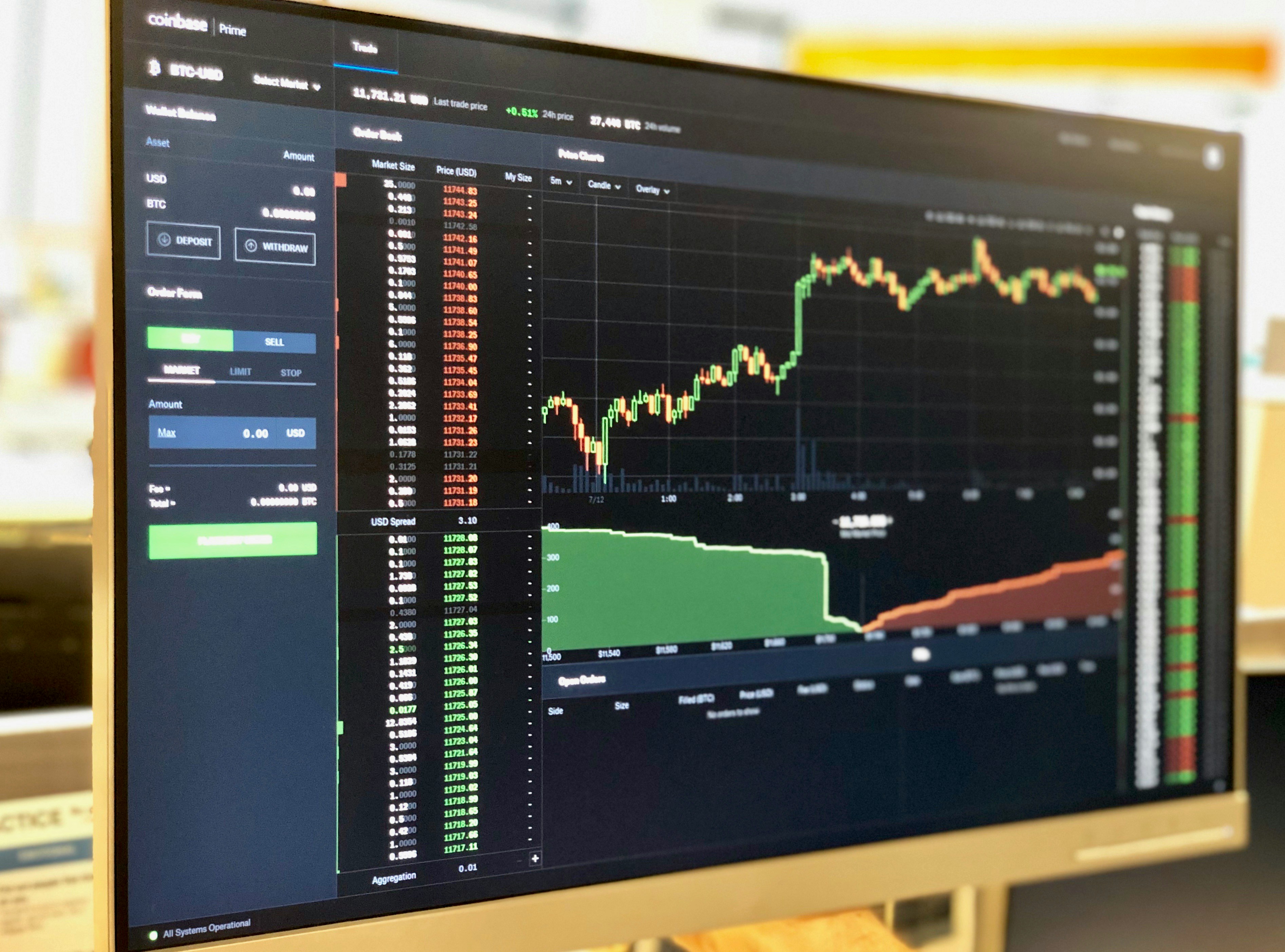
Introduction to Bitcoin and Its Importance
Bitcoin (BTC) stands as a groundbreaking digital currency, revolutionizing the financial landscape since its inception in 2009. Created by the pseudonymous figure Satoshi Nakamoto, Bitcoin was designed to operate on a decentralized network utilizing blockchain technology. This innovation allows for peer-to-peer transactions without the need for intermediaries, effectively challenging the established norms of traditional finance.
Historically, Bitcoin emerged in the aftermath of the 2008 financial crisis, responding to a growing distrust in central banks and conventional monetary policies. By enabling direct transactions and fostering a deflationary economic model, Bitcoin introduced a new paradigm that prioritizes financial sovereignty and individual empowerment. Its limited supply of 21 million coins adds to its value proposition, akin to gold, which has been viewed as a safe-haven asset for centuries.
Over the years, Bitcoin has evolved beyond a mere digital currency; it has become a significant asset class attracting interest from institutional investors, corporations, and individual traders. As Bitcoin navigates through market volatility, its adoption continues to expand. Major companies are increasingly integrating Bitcoin into their balance sheets or accepting it as a form of payment, raising the bar for its legitimacy as an investment. Moreover, enamored by its potential, a growing number of individuals view Bitcoin as a long-term store of value and a hedge against inflation, reinforcing its status in the realm of alternative investments.
In the face of economic uncertainty and fluctuating traditional markets, Bitcoin presents a compelling case for investors seeking asset diversification. Its unique characteristics and the underlying technology bring about a shift in how investments are perceived, ultimately positioning Bitcoin as a prominent contender against conventional assets like gold. As the digital economy continues to expand, understanding Bitcoin’s importance becomes essential for those navigating modern investment landscapes.
Understanding the Golden Cross Indicator
The Golden Cross is a widely recognized technical analysis indicator in the financial markets, particularly revered in stock trading. It occurs when a shorter-term moving average crosses above a longer-term moving average, signaling a potentially bullish trend. The most commonly used moving averages for this indicator are the 50-day and the 200-day moving averages. This crossover is viewed as a positive development, as it suggests that recent price action may indicate a sustained increase in asset values.
Traders and investors often look for the Golden Cross as it aligns with their strategies for making informed decisions. When this crossover occurs, it is perceived as a strong bullish signal, indicating that momentum is shifting in favor of buyers. This shift can prompt increased buying activity, leading to a further rise in asset prices. Successful traders frequently monitor this signal and incorporate it into their broader trading strategies, as it provides a visual representation of market trends that can inform entry and exit points.
The significance of the Golden Cross extends beyond its immediate implications for stock trading. It serves as a useful tool across various asset classes and is particularly appreciated in volatile markets. However, it is crucial to approach the Golden Cross with a degree of caution, as it is not infallible. False signals, known as “whipsaws,” can occur, leading to unexpected losses. Therefore, while the Golden Cross is an important indicator, it should be used in conjunction with other analysis techniques and indicators to enhance its reliability. By doing so, traders can better navigate the complexities of market movements and make more informed investment choices.
The Fundamentals of Bitcoin Investing
Bitcoin, often referred to as BTC, presents a unique investment opportunity characterized by several fundamental aspects. One of the most significant features of Bitcoin is its limited supply, capped at 21 million coins. This finite supply creates inherent scarcity, which contrasts sharply with traditional fiat currencies that can be printed in unlimited quantities by central banks. As demand for Bitcoin grows, its fixed supply could drive up its value, making it an appealing asset for investors seeking long-term appreciation.
Another crucial factor that enhances Bitcoin’s investment appeal is its decentralized nature. Unlike traditional currencies controlled by governments or financial institutions, Bitcoin operates on a peer-to-peer network. This decentralization decreases the risk of manipulation or controls by single entities, which can be common in conventional monetary systems. Additionally, this independence from central authority makes Bitcoin a hedge against inflation, resonating especially well in economies facing monetary instability.
Moreover, Bitcoin has been gaining traction in mainstream adoption, attracting the interest of both individual investors and institutional players. Major companies are beginning to recognize Bitcoin as a legitimate asset class for portfolio diversification. High-profile firms have allocated portions of their balance sheets to Bitcoin, further legitimizing its role in the financial ecosystem. This shift suggests a growing acceptance of Bitcoin as a store of value similar to gold, bolstering its profile as an alternative investment.
In summation, the combination of Bitcoin’s limited supply, decentralized nature, and increasing mainstream adoption positions it as a compelling investment opportunity. Unlike traditional investments, Bitcoin presents a new paradigm in asset class appreciation, wherein its unique characteristics appeal to a diverse range of investors. Understanding these fundamentals is essential for those considering entering the evolving world of Bitcoin investing.
Analyzing Bitcoin’s Performance Over Time
Bitcoin has established itself as a prominent cryptocurrency since its inception in 2009, showcasing a distinctive performance trajectory over the years. Unlike traditional asset classes, which often follow predictable patterns based on historical data, Bitcoin has exhibited considerable price volatility. This volatility is both a hallmark of the cryptocurrency market and a significant aspect for investors considering Bitcoin as part of their portfolio.
Historically, Bitcoin’s price chart reveals dramatic spikes and dips, marked by periods of rapid growth and subsequent corrections. For example, from late 2020 to early 2021, Bitcoin saw a meteoric rise, surpassing $60,000 for the first time. Such significant price movements are largely attributed to factors such as increased institutional adoption, macroeconomic trends, and growing recognition as a store of value akin to digital gold. This trend emphasizes Bitcoin’s potential as a superior investment compared to traditional methods, particularly in times of economic uncertainty.
Furthermore, Bitcoin’s price behavior often operates independently of conventional market indicators. For instance, while the Golden Cross—a technical analysis pattern indicating a bullish trend—is traditionally taken as a positive signal in stock markets, Bitcoin’s price action does not always align with it. This independence can be attributed to the unique market dynamics of cryptocurrencies, characterized by a less predictable influence of investor sentiment and a broader acceptance of its underlying technology.
In addition, the relatively small market capitalization of Bitcoin compared to traditional assets means that its price can be influenced more dramatically by large trades or regulatory updates. Therefore, while traditional asset classes might show consistent patterns over time, Bitcoin’s performance offers investors a different kind of opportunity, albeit with higher risk. This combination of high reward potential and unique price behavior suggests that Bitcoin may indeed be a superior investment for those looking to diversify beyond conventional assets.
Comparison Between Bitcoin and Traditional Assets
In the realm of investment, Bitcoin has emerged as a formidable alternative to traditional assets such as gold. One primary factor to consider is liquidity. Bitcoin can be bought or sold around the clock on multiple exchanges, allowing for instantaneous transactions that are often not possible with physical gold, which requires more cumbersome methods for sale or purchase. This high liquidity makes Bitcoin an attractive option for investors looking for quick access to their capital.
Another critical aspect of this comparison is growth potential. Historically, Bitcoin has demonstrated an impressive trajectory, marked by significant price appreciation since its inception. Although gold has long been considered a safe-haven asset, its price movements tend to reflect stability rather than rapid growth. Investors often seek assets that can yield higher returns, and Bitcoin’s capacity for explosive growth appeals to those willing to accept higher volatility. Furthermore, as more institutional investors enter the Bitcoin market, there is a growing belief that increased demand could further spur its value in the long term.
While discussing risk, it is essential to recognize the unique challenges posed by both asset classes. Bitcoin’s volatility is a double-edged sword; it offers high reward opportunities, yet also exposes investors to considerable risk. In contrast, gold has historically maintained its value during economic downturns, providing a buffer against inflation and market fluctuations. However, its lower growth potential often leads to diminished returns over an extended period. This presents a pivotal choice for investors: whether to prioritize the stability of traditional assets like gold or embrace the innovative potential of digital assets such as Bitcoin.
The Role of Market Sentiment and Adoption
Market sentiment and adoption are pivotal factors influencing Bitcoin’s price dynamics, especially when juxtaposed against traditional assets such as stocks. A nuanced understanding of these elements reveals how public perception and institutional engagement can substantially alter the trajectory of Bitcoin’s valuation. The cryptocurrency market, more so than most, is notably susceptible to sentiment shifts, often resulting in pronounced price volatility.
Public perception plays a critical role in determining Bitcoin’s market value. Positive news coverage, endorsements from influential figures, or rising interest from retail investors can create a ripple effect, leading to increased demand for Bitcoin. In essence, when the general sentiment surrounding Bitcoin turns bullish, this can prompt surge in buying activity, driving prices higher. Conversely, negative news or regulatory concerns can lead to panic selling among investors, which may substantially pull prices down. This behavior mirrors the impacts of sentiment on traditional markets, notably during Golden Cross events in stock trading, where positive sentiment can enhance investor confidence, potentially leading to upward price movements.
Furthermore, the increasing adoption of Bitcoin by both individuals and institutions has a transformative effect on its market dynamics. As major corporations and financial institutions integrate Bitcoin into their operations or investment portfolios, this not only legitimizes the cryptocurrency but also bolsters market confidence. The resulting institutional investment, characterized by significant capital inflows, further propels Bitcoin prices. This adoption phase differs from traditional assets during specific market indicators like Golden Cross points, where investor behavior and sentiment may drive short-term trading strategies rather than long-term positions.
In conclusion, the interplay between market sentiment and adoption is fundamental to understanding Bitcoin’s price dynamics. As public perception influences investor behavior and institutional interest rises, Bitcoin continues to carve its niche as a notable asset class, distinct from traditional investments marked by events like the Golden Cross.
Bitcoin’s Network Effects and Innovation
Bitcoin has rapidly emerged as a pivotal entity in the world of digital currencies, driven primarily by its robust network effects and incessant innovation. Its underlying blockchain technology serves not only as a secure mechanism for transaction verification but also enables the continuous evolution of the Bitcoin ecosystem. These advancements significantly enhance Bitcoin’s usability, positioning it as a superior investment choice compared to traditional financial indicators like the golden cross.
A notable innovation fostering Bitcoin’s value is the Lightning Network. This second-layer protocol allows for faster transactions and lower fees, addressing one of the major limitations of the Bitcoin network: scalability. By facilitating near-instantaneous transactions, the Lightning Network enhances the user experience, making Bitcoin more attractive for everyday transactions. This improvement reflects the dynamic nature of the Bitcoin ecosystem, where technological advancements align with users’ needs.
Moreover, Bitcoin’s decentralized nature empowers it to withstand censorship and provide an alternative to conventional banking systems. This resilience is further supported by a growing community of developers focused on improving the technology and expanding its functionality. Innovations such as sidechains and advancements in wallet security also contribute to Bitcoin’s overall security and ease of use. These enhancements not only bolster user confidence but also lure new investors, amplifying Bitcoin’s network effects.
The cumulative impact of these innovations ensures that Bitcoin remains a leader in the cryptocurrency market. As its technology evolves, Bitcoin continually demonstrates its potential to surpass traditional investments. This progression, characterized by incremental yet impactful upgrades, delineates Bitcoin as a prime candidate for savvy investors seeking long-term growth opportunities in an increasingly digital financial landscape.
Risks Associated with Bitcoin Investment
Investing in Bitcoin presents a unique set of risks that potential investors should carefully consider before entering the market. One of the primary concerns is regulatory uncertainty. Governments worldwide are still grappling with how to approach cryptocurrencies, leading to varied regulations across jurisdictions. This unpredictability can create challenges for investors, especially in cases where new laws could drastically impact the market, whether through taxation, trading restrictions, or outright bans. The evolving legal landscape may result in unforeseen consequences that could affect the value and viability of Bitcoin investments.
Market volatility represents another significant risk associated with Bitcoin. The price of Bitcoin is often subject to wild fluctuations, influenced by factors such as market sentiment, technological advancements, or macroeconomic trends. This volatility can lead to substantial profits but equally substantial losses. Unlike traditional assets, Bitcoin can experience drastic price swings within short periods, making it a risky venture for investors who are not prepared for such unpredictability. The potential for sudden downturns can erode substantial portions of an investment, leading to considerable financial distress for those who do not manage their exposure adequately.
Security concerns further complicate the Bitcoin investment landscape. While the underlying blockchain technology offers a level of transparency and security, the platforms utilized for trading and storing Bitcoin can be vulnerable to cyberattacks. Numerous high-profile hacks have led to significant losses for investors, highlighting the importance of robust security measures. Investors must be vigilant regarding where they store their Bitcoin, ensuring they employ trusted wallets and platforms to mitigate risks. This awareness is crucial for minimizing potential losses associated with security breaches in the crypto space.
Conclusion: Why Bitcoin Outshines the Golden Cross
Throughout this blog post, we have explored the intrinsic advantages of Bitcoin (BTC) as a more promising investment avenue compared to the traditional Golden Cross strategy. While the Golden Cross has been a well-respected tool in technical analysis, providing insights based on past price movements of assets, it often lacks the agility required to navigate the ever-evolving landscape of financial markets. In contrast, Bitcoin, as a leading digital asset, offers unique characteristics that align more closely with the current and future financial paradigms.
First and foremost, Bitcoin’s decentralized nature appeals to investors who prioritize autonomy and security. Unlike traditional indicators, which rely heavily on historical data, Bitcoin is underpinned by a robust blockchain technology that ensures transparency and efficiency in transactions. This technological foundation also leads to reduced susceptibility to manipulation compared to conventional market strategies, which can be influenced by external factors.
Furthermore, Bitcoin serves as a hedge against inflation and currency devaluation, a critical consideration in today’s macroeconomic environment. While the Golden Cross may provide insights into potential upward momentum, it cannot offer the same level of confidence in terms of storing value over the long term. As central banks continue to print money and governments worldwide grapple with economic instability, Bitcoin’s finite supply makes it a more reliable reservoir of value.
In contemplating future investment strategies, it is imperative to recognize that the emergence and proliferation of cryptocurrencies signify a fundamental shift in wealth management. As the financial world increasingly digitizes, Bitcoin stands as a paradigm of innovation, presenting opportunities that the Golden Cross framework simply cannot match. Thus, those looking to navigate the future of finance will find Bitcoin a compelling choice for diverse portfolios, reinforcing its status as a superior investment.