

Introduction
Nvidia Corporation has established itself as a leading technology company, renowned for its innovations in graphics processing units (GPUs) and artificial intelligence (AI). With a commitment to pushing the boundaries of technology, Nvidia plays a pivotal role in various sectors including gaming, data centers, and automotive industries. Recently, Nvidia reported an impressive financial performance, marking a record quarter that has garnered attention in the business world.
This achievement is particularly noteworthy as it comes amidst a complex landscape influenced by global supply chain issues and regulatory hurdles. The company’s ability to maintain a strong financial outlook even when faced with adversities such as being shut out of the Chinese market speaks volumes about its business strategies and market adaptability. Nvidia’s resilience in navigating these challenges not only highlights its core competencies but also reflects its innovative approach to product development and market expansion.
As we delve deeper into the financial specifics of this remarkable quarter, it is essential to consider the key factors contributing to Nvidia’s success. The demand for GPUs has soared due to the acceleration in AI technologies and gaming applications, enabling Nvidia to capitalize on market trends despite obstacles. Moreover, partnerships and collaborations in key sectors have further propelled its growth, enhancing its competitive edge against industry rivals.
In this blog post, we will explore the dimensions of Nvidia’s record quarter and analyze the implications of its financial results. Understanding how Nvidia has managed to thrive in such challenging conditions offers insights into the effectiveness of its business model and strategic initiatives moving forward.
Overview of Nvidia’s Financial Results
Nvidia recently announced its financial results for the latest quarter, demonstrating a remarkable performance amid market fluctuations. The company reported a significant surge in revenue, amounting to $6.9 billion, which marks a substantial year-over-year increase of 50%. This growth trajectory is indicative of Nvidia’s robust positioning within the semiconductor industry, particularly as it continues to innovate in areas such as artificial intelligence and graphics processing.
In terms of net income, Nvidia achieved approximately $2.1 billion, showcasing impressive profitability. This result not only highlights its operational efficiency but also underlines the effectiveness of its strategic initiatives in capturing market share. The company’s earnings per share (EPS) stood at $3.05, surpassing Wall Street expectations. This positive EPS has bolstered investor confidence in Nvidia’s long-term growth prospects, reinforcing its reputation as a leader in technology.
When examining these results within the context of the broader industry, Nvidia’s performance notably exceeds the averages of its competitors. While the semiconductor industry has faced various challenges, including supply chain disruptions and fluctuating demand, Nvidia has navigated these obstacles adeptly. The company’s emphasis on research and development has enabled it to stay ahead of the curve, particularly in high-growth sectors such as gaming, data centers, and automotive technology.
This quarter’s financial outcomes underline Nvidia’s resilience and capacity to adapt in an ever-evolving landscape. The strong revenue figures, combined with an impressive net income, underscore the company’s operational excellence and its commitment to innovation. As Nvidia continues to expand its market presence, its financial performance remains a testament to its strategic vision and execution.
The Impact of the Chinese Market Shutdown
Nvidia, a global leader in graphics processing technology, has encountered significant challenges stemming from its exclusion from the Chinese market. Over recent years, China has emerged as a crucial hub for technology companies, fueled by its vast consumer base and rapid technological adoption. The country’s growing demand for cutting-edge graphics hardware and artificial intelligence applications has made it an attractive market for companies like Nvidia. However, recent geopolitical tensions and regulatory constraints have led to Nvidia being effectively shut out from this pivotal arena.
This shutdown poses considerable implications for Nvidia’s revenue, especially given that a substantial portion of its sales has historically been generated from Chinese enterprises and consumers. This segment has contributed prominently to the company’s growth, particularly in sectors such as gaming and AI. The absence from such a major market could potentially halt expansion plans and inhibit new partnerships that are crucial for product development and distribution.
Despite these challenges, Nvidia has demonstrated remarkable resilience and adaptability. The company has pivoted its strategies to explore alternative markets while refining its product offerings to focus on clientele outside of China. This strategic shift involves amplifying efforts in regions like Europe and North America, where demand for Nvidia’s advanced technology continues to grow. Moreover, the surge in importance of data centers and cloud computing initiatives globally has allowed Nvidia to leverage existing relationships to maintain its growth trajectory.
Moreover, Nvidia has also harnessed the rising interest in AI and machine learning technologies, broadening its market reach beyond traditional gaming hardware. By cultivating a diverse portfolio that is less reliant on any single geography, Nvidia positions itself favorably to withstand the adverse effects of being shut out of the Chinese market. This resilience is evident as the company has recorded strong financial performance even amid external pressures, indicative of its strategic agility in navigating complex market dynamics.
Key Product Innovations Driving Growth
Nvidia has consistently positioned itself at the forefront of technological innovation, and its record quarter can be partially attributed to several groundbreaking products. One major driver of growth has been the advancements in artificial intelligence (AI) technology. Nvidia’s AI-specific processors, such as the A100 and H100 Tensor Core GPUs, have seen remarkable adoption in data centers worldwide, enabling organizations to accelerate their deep learning and AI model training. These GPUs effectively streamline complex computational tasks, making them indispensable in the ever-evolving tech landscape.
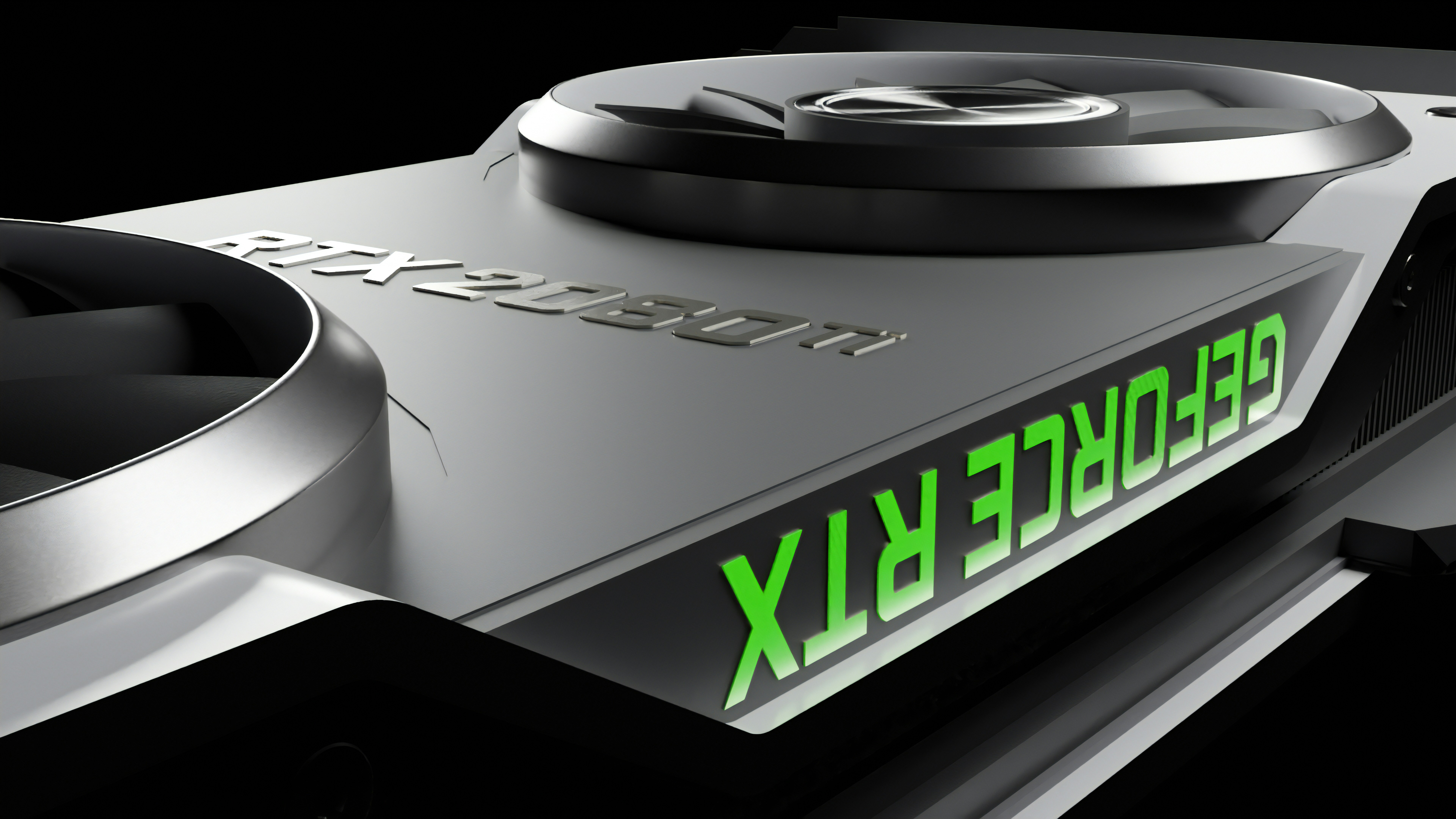
In addition to AI technology, Nvidia has also seen significant contributions from its gaming hardware segment. The recent launch of the GeForce RTX 40 series graphics cards has greatly appealed to gamers and content creators alike. These cards, which leverage the power of real-time ray tracing and AI-enhanced graphics, provide an unparalleled gaming experience. The demand for state-of-the-art gaming hardware continues to grow, particularly as more individuals indulge in immersive gaming and the increasing popularity of esports. This shift has ensured a steady revenue stream for the company.
Furthermore, Nvidia’s data center products have become an essential part of its growth narrative. The NVIDIA DGX and HGX platforms have been at the center of enterprise solutions, providing powerful tools for machine learning and high-performance computing tasks. As businesses accelerate their digital transformation initiatives, the need for robust data center infrastructure has surged. Nvidia’s commitment to innovation in this sector has solidified its position as a leading provider of GPU-based data center solutions, ultimately driving both demand and revenue.
Nvidia’s Strategic Responses to Market Challenges
Nvidia has demonstrated remarkable agility in its response to various market challenges over recent financial quarters. Faced with increasing competition and shifting technological demands, the company has strategically adapted its business model to maintain its leadership position in the semiconductor industry. One of the primary strategies employed by Nvidia is the focus on diversification within its core markets as well as expansion into emerging markets.
Recognizing the importance of geographical expansion, Nvidia has placed significant emphasis on regions witnessing rapid growth in gaming and AI technologies. By penetrating markets in Asia and Europe, the company aims to leverage local demand trends for its cutting-edge products, which include graphics processing units (GPUs) and AI platforms. This regional strategy not only mitigates risks associated with over-reliance on existing markets but also positions Nvidia for long-term growth.
Moreover, innovation remains at the forefront of Nvidia’s responses to competition. The company has invested heavily in research and development, focusing on enhancing existing products and introducing new ones that cater to advanced computing requirements. For instance, the release of the latest architecture in their GPU series has allowed Nvidia to outperform competitors by offering superior performance and energy efficiency.
Strategic partnerships also play a vital role in Nvidia’s market strategy. By collaborating with major tech firms and academic institutions, Nvidia gains access to cutting-edge research and development, allowing for product improvements and the creation of new applications for its technology. These partnerships foster synergy that enhances innovation and expands the company’s reach in high-growth sectors such as automotive AI and data center solutions.
In conclusion, Nvidia’s strategic responses to market challenges have been multi-faceted, encompassing geographical diversification, a commitment to innovation, and collaborative partnerships. These strategies not only help the company navigate the complexities of the current technology landscape but also position it for sustained success in an increasingly competitive environment.
Comparative Analysis: Nvidia vs. Competitors
Nvidia stands as a prominent leader in the technology sector, particularly in the areas of graphics processing units (GPUs) and artificial intelligence (AI). In contrast to its competitors, such as AMD and Intel, Nvidia has differentiated itself through significant advancements in technology and strategic vision. One key factor contributing to Nvidia’s success is its robust investment in research and development, which enables the company to consistently innovate and enhance its product offerings. This commitment to innovation has resulted in superior GPU architectures, like the Ampere and Hopper series, which are highly sought after for high-performance computing, gaming, and deep learning applications.
Moreover, Nvidia’s strategic focus on AI and machine learning has positioned it advantageously compared to rivals. While competitors like AMD primarily focus on GPU performance for gaming, Nvidia has capitalized on a broader market appeal by integrating AI capabilities across its product lines. This proactive approach has allowed Nvidia to enter new markets and create diverse applications beyond traditional gaming, such as cloud computing and data center solutions.
Additionally, Nvidia’s effective partnerships and acquisitions have played a crucial role in bolstering its market position. The acquisition of companies like Mellanox has strengthened its data center capabilities, while collaboration efforts with major cloud service providers have enhanced its reach and influence. In contrast, AMD and Intel have faced challenges with their respective market strategies, often reacting to Nvidia’s innovations rather than pioneering their own. As such, Nvidia’s ability to leverage its strengths—innovation, strategic partnerships, and a focus on AI—has set it apart from its competitors, allowing it to secure a leading position in an increasingly competitive landscape.
Investor Sentiment and Market Outlook
Following Nvidia’s record quarter, investor sentiment has shifted markedly, reflecting a renewed confidence in the technology sector. This shift is primarily attributed to the company’s robust financial results, which exceeded analysts’ expectations across multiple key performance indicators. As Nvidia reported substantial growth in its revenue and earnings, fueled by increased demand for graphics processing units (GPUs) and advancements in artificial intelligence (AI), investors have responded positively, driving up the stock price significantly.
In the days following the quarterly report, Nvidia’s stock saw a notable spike, highlighting a strong market reaction. Analysts also adjusted their price targets upward, with several firms expressing optimistic views on the company’s trajectory. Many experts believe that Nvidia’s continuous innovation and strategic positioning within the AI and gaming markets will sustain its momentum, potentially leading to further growth in the future. This confidence is reflected in recent analyst ratings, which predominantly lean towards ‘buy’ or ‘strong buy’, indicating an overall bullish outlook.
The broader market dynamics also play a crucial role in shaping investor sentiment towards Nvidia. As the tech industry grapples with economic uncertainties, the resilience demonstrated by Nvidia in its latest quarter may set a precedent for how other tech firms approach their financial strategies. This positive momentum could enhance Nvidia’s standing as a leader in the tech landscape, making it a pivotal player as emerging technologies gain traction. The market’s current outlook suggests that, barring unforeseen economic downturns, Nvidia may continue to experience favorable growth, attracting even more investor interest in the upcoming quarters.
Future Prospects and Growth Areas
Nvidia, a leader in the field of graphics processing units (GPUs) and artificial intelligence (AI), is strategically poised for notable growth in the coming years. One of the most promising areas for expansion is the artificial intelligence sector, where the demand for advanced computing capabilities continues to rise exponentially. Companies across various industries are beginning to recognize the value of AI-driven solutions, paving the way for Nvidia to enhance its product portfolio specifically catered to this market.
Moreover, Nvidia is making significant inroads into the data center business. As organizations increasingly turn to cloud computing and big data analytics, the need for powerful and efficient servers has soared. Nvidia plans to launch innovative products that not only provide superior graphics rendering but also facilitate deep learning and high-performance computing, thereby solidifying its foothold in this competitive domain.
Furthermore, Nvidia’s acquisition of various companies notably in the AI and automotive sectors further illustrates its commitment to broadening its market reach. The automotive industry presents a lucrative opportunity for Nvidia, especially with the rise in demand for autonomous driving technology. By integrating its AI capabilities into vehicle systems, Nvidia aims to enhance safety and performance, ensuring it remains a vital player in the transportation ecosystem.
In addition to the AI and automotive markets, Nvidia is venturing into other avenues such as gaming and virtual reality (VR). The continuous innovation in immersive technologies hints at a vibrant future for Nvidia’s gaming GPU products. Upcoming launches are expected to further capitalize on the trend towards VR and augmented reality (AR), which could provide significant revenue streams.
In conclusion, Nvidia’s future appears bright as it navigates various growth areas and markets. With a keen focus on innovation and strategic acquisitions, the company is well-positioned to sustain its competitive advantage while expanding its influence in numerous domains.
Conclusion
In summary, Nvidia’s record quarter demonstrates the company’s exceptional performance despite facing significant challenges in the technology sector. Throughout this analysis, we have explored various facets that contributed to Nvidia’s outstanding results, including its innovative product developments, strategic market positioning, and effective management practices. These elements have not only fortified the company’s current standing but also reinforced its future prospects in a highly competitive landscape.
The resilience of Nvidia in navigating market fluctuations and supply chain disruptions highlights the importance of adaptability in the tech industry. By investing in advanced technologies and expanding its footprint in emerging markets such as artificial intelligence and machine learning, Nvidia has positioned itself as a leader not just in graphics processing units but also in next-generation computing solutions. As the demand for high-performance computing continues to rise, Nvidia remains well-equipped to capitalize on these opportunities.
Looking ahead, the sustained growth and innovation from Nvidia are likely to play a crucial role in shaping the future of the technology industry. With a proactive approach to challenges and a commitment to excellence, Nvidia is not only set to maintain its momentum but also to redefine benchmarks for performance in the realm of semiconductor technology. As they continue to set and achieve ambitious goals, the implications of their success extend beyond mere profit margins, influencing the technological advancements that shape our everyday lives.