

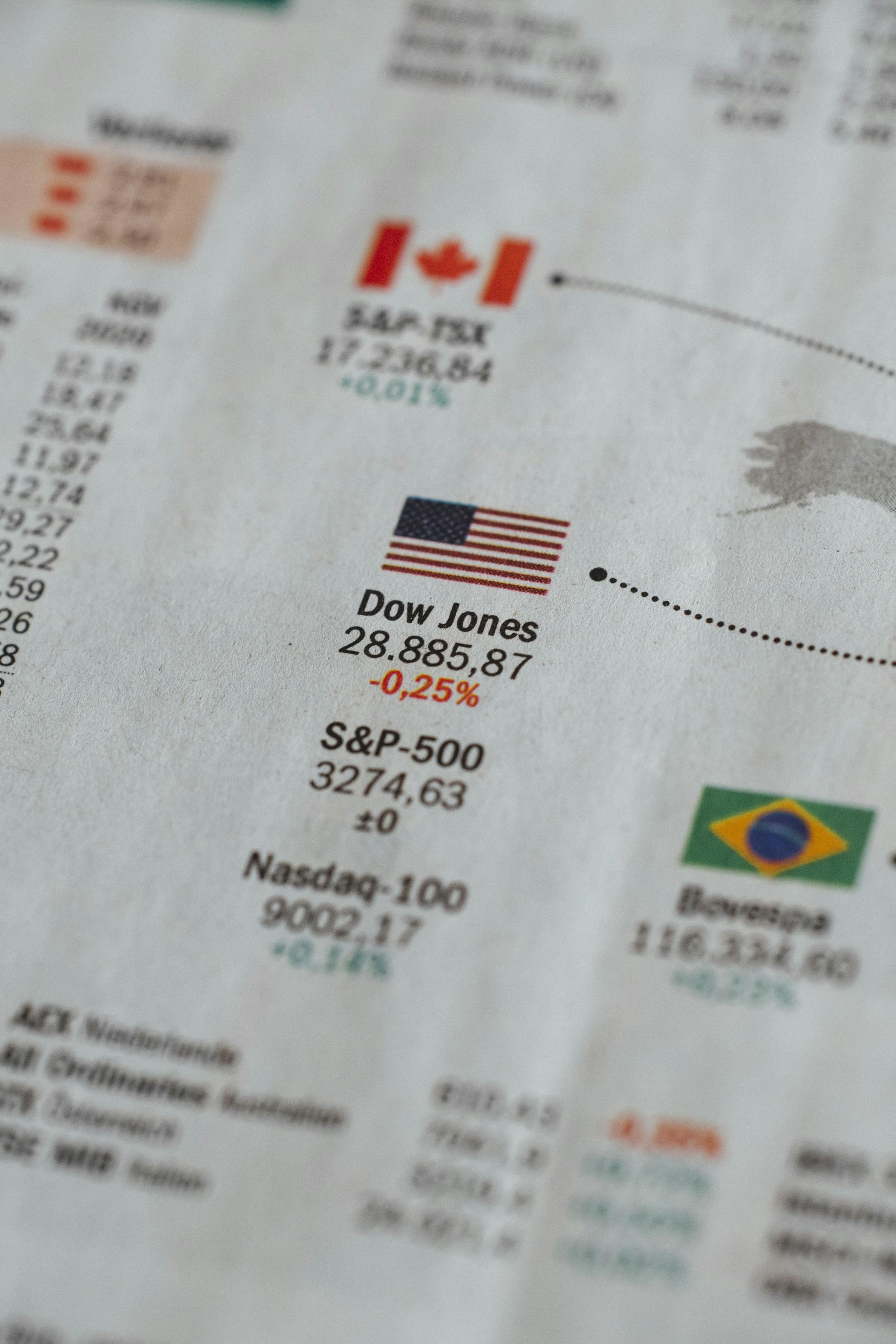
Introduction to the TSX and Current Market Overview
The Toronto Stock Exchange (TSX) is one of the largest stock exchanges in the world and serves as a crucial component of the Canadian economy. Established in 1861, it has grown to become a platform where investors can trade shares in a diverse range of sectors, including natural resources, technology, and finance. The TSX is recognized for its unique composition, heavily weighted towards financial services and commodity-based companies, reflecting Canada’s strong resource sector.
In recent months, the TSX has witnessed notable fluctuations, largely influenced by global economic conditions and uncertainties regarding U.S. tariff policies. Investors are particularly cautious due to potential trade disruptions that could arise from these uncertainties. The imposition of tariffs by the United States can significantly impact Canadian exporters, particularly those in industries such as steel and aluminum, leading to heightened volatility in the TSX.
Recent trends indicate a decline in TSX performance as market participants react to these tariff announcements and their implications for Canadian trade relations. While most sectors are affected, the energy and materials sectors are particularly sensitive to shifts in U.S. trade policies. Consequently, the overall sentiment in the market has been one of caution, with many investors opting to reassess their portfolios in light of the potential economic implications.
Overall, the TSX operates within a complex web of domestic and international factors. Understanding the ongoing market overview is essential for stakeholders looking to navigate the current economic climate. The uncertainty surrounding U.S. tariffs poses a significant challenge for the TSX, underscoring the importance of remaining informed about market dynamics.
Understanding Tariffs and Their Economic Impact
Tariffs are government-imposed taxes on imported goods or services, intended to regulate international trade by increasing the price of foreign products. These economic instruments generally serve several purposes, including protecting domestic industries, generating revenue for the government, and influencing trade policies of other nations. Tariffs can impact international trade by altering the cost dynamics between domestic and foreign markets, ultimately affecting consumers, businesses, and the broader economy.
The role of tariffs in international trade is multifaceted. When tariffs are imposed, they make imported goods more expensive, thereby encouraging consumers and businesses to purchase domestically produced items instead. This protective measure aims to bolster local industries against foreign competition, which can be especially important for emerging markets or sectors that may struggle against more established foreign companies. However, while tariffs may protect certain industries, they can also create tension in trade relationships among countries, leading to retaliation and a potential trade war.
Additionally, tariffs can have a cascading effect on the economy. For businesses reliant on imported components or raw materials, increased costs may result in higher prices for consumers, reduced profit margins, or even layoffs. Consequently, the overall economic landscape may become less favorable, as inflation rises and consumer spending declines. In such scenarios, the broader stock market, including indexes like the TSX, can experience volatility, reflecting investor sentiment regarding the economic implications of tariff policies.
In essence, understanding tariffs requires a recognition of their dual role as protective measures for local industries and potential disruptors of trade relationships and economic stability. By examining these dynamics, one can better appreciate how tariff uncertainty influences market reactions, particularly in sectors sensitive to international trade developments.
Recent U.S. Tariff Developments
In recent months, the landscape of U.S. tariffs has been marked by significant developments that continue to influence market dynamics. A primary focus has been the ongoing tensions between the United States and key trading partners, particularly China. The tariffs imposed on a range of Chinese imports, originally enacted in previous years, have remained a contentious issue. These tariffs have not only affected the prices of goods but also led to retaliatory measures from China, resulting in a complicated trade environment.
In July 2023, the U.S. government announced new tariffs targeting select sectors, including technology and agriculture, which has further fueled uncertainty among investors. The decision to impose these tariffs stemmed from concerns over intellectual property theft and market access limitations. As these tariffs took effect, the market experienced immediate fluctuations, indicating investor apprehension regarding the potential economic implications.
Additionally, ongoing trade negotiations have kept stakeholders on edge. Although talks between U.S. trade representatives and their counterparts from other nations have been ongoing, substantial progress has yet to be made. Recent statements from government officials suggest that while there is a willingness to negotiate, fundamental disagreements remain on critical issues such as market regulations and subsidy practices. These factors have contributed to a sense of instability in market sentiment, reflecting broader concerns over how prolonged trade uncertainty may impact economic growth.
Lastly, the recent announcements from the Biden administration regarding tariff reviews have further complicated interpretations of market forecasts. Officials have indicated potential adjustments to existing tariffs in response to economic conditions, heightening speculation among investors. As the U.S. navigates its tariff strategies amidst these complex international relations, businesses and investors alike must remain vigilant due to the lasting effects these tariffs may have on market performance.
Sector-Specific Impacts on the TSX
The uncertainty surrounding U.S. tariffs has reverberated across various sectors within the Toronto Stock Exchange (TSX), leading to a distinct divergence in market performance. Among the most affected sectors are agriculture, manufacturing, and technology, each exhibiting unique responses to the fluctuating trade environment.
The agriculture sector is particularly sensitive to tariff fluctuations, as many Canadian agricultural exports are sent to the U.S., such as canola, wheat, and pork. Imposed tariffs or trade barriers can significantly diminish demand for these commodities, impacting farmer revenues and, subsequently, stock performance of agricultural firms. Farmers and investors closely monitor U.S. policies, with the expectation that a resolution will stabilize prices. Short-term anxiety may encourage volatility in agricultural stocks, prompting a shift in investor sentiment.
In contrast, the manufacturing sector has demonstrated resilience but not without challenges. As a significant exporter to the U.S., Canadian manufacturers find themselves in a precarious position. Tariff increases could raise production costs or limit access to supplies. Recent reports indicate that uncertainties have led firms to postpone investments, thereby stalling growth and expansion plans. This caution can lead to subdued stock market performance within manufacturing, warranting investor vigilance moving forward.
The technology sector, while somewhat insulated from direct tariff impacts, is not wholly immune. Many Canadian tech companies rely on cross-border partnerships and supply chains that may be disrupted by U.S. tariff policies. Furthermore, given the growing significance of intellectual property and innovation, an uncertain trade environment might deter foreign investment in Canadian tech startups. Investors will likely be evaluating how these firms navigate this ambiguity and their ability to maintain robust growth amidst external pressures.
Overall, while certain sectors exhibit resilience, the overarching effects of U.S. tariff uncertainty on the TSX are likely to persist, shaping investment strategies and market behaviors in the near future. Investors should remain astute to changes within these critical sectors, which hold significant implications for their portfolios.
Investor Sentiment and Market Reactions
The current uncertainty surrounding U.S. tariffs has significantly impacted investor sentiment in the market, particularly in Canada’s TSX. As news surrounding tariffs fluctuates, the overall market volatility has seen notable increases. Investors are reacting with caution and anxiety, leading to pronounced swings in trading volumes. This pattern of behavior reflects the broader concern about trade relations and economic stability, which is closely associated with potential policy changes.
Market reactions have been particularly evident in sectors that are vulnerable to tariff changes. For instance, sectors reliant on exports have faced downward pressure as investors anticipate potential retaliatory tariffs from trading partners. This has led to cautious trading attitudes, resulting in fluctuating stock prices. Additionally, companies with significant international revenues have been closely monitored, as their performance could be directly influenced by alterations in tariff policies.
The influx of news regarding tariffs has also prompted increased trading volumes, which signifies heightened interest and concern among investors. When tariffs are announced or modified, market participants rapidly adjust their portfolios, often leading to a rise in market trading activity. Furthermore, sentiment markers, such as the volatility index, indicate that uncertainty is likely to persist as long as tariff discussions remain unresolved.
Moreover, investor reactions can be analyzed through behavioral finance lenses. Decision-making biases, such as loss aversion and herd behavior, are evident as investors may collectively move towards minimizing potential losses. This collective shift can exacerbate market conditions, leading to heightened volatility as traders react to emerging news about tariffs. Therefore, understanding investor sentiment during these times is critical, as it helps predict future market trends and assists stakeholders in making informed decisions.
Comparative Analysis with Other Global Markets
The TD Securities Exchange (TSX) has experienced fluctuations amid ongoing U.S. tariff uncertainty, reflecting sentiment and reactions that are not unique to Canada alone. By comparing the TSX with other major global markets, we can discern both parallel and diverging trends that underscore the interconnectedness of international trade and economic policy.
Firstly, the performance of major U.S. indexes such as the S&P 500 and the Dow Jones Industrial Average has also encountered volatility during the tariff discussions. Tariff concerns have led to sell-offs in sectors heavily reliant on trade, with technology and manufacturing stocks particularly affected. Much like the TSX, these indices have shown sensitivity to news about tariffs, as investors reassess the viability of growth prospects. This correlation strongly indicates that U.S. economic policies have reverberating effects that extend across borders.
In contrast, European markets have demonstrated resilience in the face of similar tariff discussions. The FTSE 100 and Euro Stoxx 50 index have shown more muted reactions to tariff announcements compared to the TSX. Factors such as diverse economic structures and reliance on different export markets might explain this divergence. European economies tend not to be as heavily weighted in tariff-sensitive industries, which may cushion them from abrupt market shifts.
Additionally, emerging markets, such as those represented by the MSCI Emerging Markets Index, have faced both challenges and opportunities. For instance, countries benefiting from trade diversion or increased exports to the U.S. could gain an edge over markets like the TSX that may be adversely influenced by tariff policies directed at close trading partners. Thus, while the TSX navigates its own challenges, a comparative analysis reveals varying degrees of vulnerability and resilience among its global counterparts affected by tariff uncertainties.
Historical Context: Past Tariff Impacts
To understand the current impact of tariffs on the TSX, it is essential to look at historical precedents where tariffs played a pivotal role in shaping market conditions. One significant period worth exploring is the U.S.-China trade war that commenced in 2018. The implementation of tariffs by the United States on Chinese imports created ripples across various financial markets, including the Toronto Stock Exchange (TSX). During this period, volatility increased as investors grappled with uncertainty about the long-term implications of these trade barriers.
Another pertinent example is the Smoot-Hawley Tariff Act of 1930, which significantly raised tariffs on numerous imports. This decision, taken during the Great Depression, led to retaliatory tariffs from other nations, resulting in a steep decline in global trade. Observers noted that the act exacerbated the economic downturn and triggered a wave of market panic. The direct consequence was a market crash that affected stock exchanges worldwide, including the TSX. Thus, the historical impact of tariffs serves as a warning about the potential for similar market disruptions in the current climate.
Moreover, the NAFTA negotiations, which culminated in the USMCA, showcased how tariff discussions can influence the TSX’s performance. Throughout this renegotiation process, fluctuations in market indices reflected investor sentiment regarding prospective trade policies. The emotional responses to tariff-related news—increases in tariffs or potential reductions—were apparent, illustrating how sensitive markets can be to such economic measures.
In conclusion, history reveals that tariff implementations have consistently affected market stability, investor confidence, and trade relationships. As countries consider tariff changes in the current global economic context, the historical data provides valuable insights for assessing potential outcomes for the TSX and other financial markets.
Future Projections and Recommendations for Investors
The ongoing uncertainty surrounding U.S. tariffs is poised to have a significant impact on the Toronto Stock Exchange (TSX). As the landscape evolves with new trade negotiations, projections for the TSX are being closely monitored by analysts and investors alike. Economic indicators suggest that while volatility will likely persist in the short term, there are several factors that may contribute to stabilizing the market over the medium to long term.
Firstly, analysts anticipate that any resolution to the tariff discussions could lead to a positive reaction in the market. If tariffs are reduced or eliminated, Canadian exports, particularly in commodities and manufacturing sectors, may see increased demand. This could bolster the earnings of firms listed on the TSX and potentially lead to a rebound in stock prices. Conversely, if tariffs are maintained or escalated, sectors heavily reliant on cross-border trade may face headwinds, resulting in downward pressure on the index.
Investors are advised to adopt a cautious yet proactive approach during this period of uncertainty. Diversification remains a strong strategy; allocating assets across various sectors can mitigate risks associated with any single industry reacting unfavorably to tariff news. Additionally, focusing on companies with solid fundamentals, robust balance sheets, and the ability to adapt to changing conditions will be vital. Value investing, particularly in companies that are trading below their intrinsic value, may present opportunities for long-term gains as the market seeks recovery.
Furthermore, maintaining an eye on global economic conditions, including supply chain dynamics and consumer sentiment, will be crucial for anticipatory adjustments in investment strategies. Monitoring developments in U.S.-Canada trade relations will also provide insights into potential shifts that could affect the TSX.
Conclusion: Navigating the Landscape of Tariff Uncertainty
In recent months, fluctuations in market dynamics have become increasingly apparent, particularly in relation to U.S. tariff policies. The impact of these tariffs on trading behaviors and economic forecasts cannot be overstated. Tariff uncertainty poses challenges not only for investors but also for companies that rely heavily on imports and exports. Consequently, it becomes essential to evaluate these complex market conditions to strategize and make informed decisions.
The analysis demonstrates that U.S. tariffs have a direct correlation with the performance of the Toronto Stock Exchange (TSX). Market reaction can vary significantly based on perceived risks and potential profit losses associated with these trade policies. As stakeholders in the financial arena, it is paramount to stay attuned to developments in tariff legislation, as this will can affect volatility and investor sentiment profoundly.
Additionally, companies might need to reassess their operational strategies in response to tariff adjustments. Whether through diversifying supply chains or revisiting pricing structures, adaptability is key in navigating the repercussions of U.S. tariffs. Monitoring economic indicators and the political landscape offers insight into future tariff implementations and their potential effects on both domestic and international markets.
Ultimately, staying informed is crucial in a fluctuating market environment influenced by tariffs. Investors and businesses alike should cultivate an adaptable approach, allowing them to mitigate risks while capitalizing on opportunities that may arise from the ever-evolving trade landscape. By remaining vigilant and responsive, stakeholders can navigate the complexities of tariff uncertainty more effectively and maintain strategic advantages in their respective markets.